US-China AI Dialogue: A Crucial Step for Global AI Safety & Governance

The US and China have initiated critical discussions to establish an AI dialogue, aiming to create a notification mechanism for national security-level AI incidents. This move
Listen to the story
Ai and Sons Daily Brief
The U.S. and China have initiated formal discussions to establish a dedicated AI communication channel, aiming to create a notification mechanism for national security-level AI incidents. This bilateral dialogue is a foundational step for global AI governance, influencing future regulation, mitigating geopolitical risks, and shifting AI development priorities towards safety. While offering stability, the initiative faces challenges in implementation and potential political complexities.
Read the transcript
Maya: Welcome to the A.I. and Sons Daily Brief. I'm Maya, and joining me as always is our lead analyst, Theo. Today, we're discussing a significant development in global AI governance.
Theo: That's right, Maya. The United States and China have begun formal discussions to establish a dedicated communication channel for AI concerns. These high-level talks, involving U.S. Treasury Secretary Scott Bessent and Chinese Vice Premier He Lifeng, were held on September 20th, as a precursor to an anticipated summit between President Trump and President Xi.
Maya: What's the core proposal on the table from these initial discussions?
Theo: The central proposal is a critical notification mechanism for AI-related incidents that could escalate to a national security level. This mechanism would be designed to alert both countries, aiming to prevent misinterpretations and foster stability between the two nations, which are leading AI powers.
Maya: This sounds like a major step. Why is this bilateral AI dialogue so important for businesses and IT leaders?
Theo: It's a foundational step that could shape the future of AI development, regulation, and risk mitigation globally. Both nations acknowledge the need for structured dialogue on AI safety, recognizing that advanced AI systems carry significant, potentially catastrophic, risks that transcend national borders. This initiative could set precedents for international cooperation and influence investment.
Maya: And how might this influence future global AI regulation?
Theo: Any consensus reached between the U.S. and China could significantly influence how AI models are developed and regulated internationally. This could lead to more standardized compliance requirements, affecting areas like data governance and algorithmic transparency. Businesses will need to monitor these shifts closely, as they may necessitate adjustments.
Maya: Beyond regulation, what about mitigating geopolitical AI risks?
Theo: A formal notification mechanism could be instrumental in preventing misunderstandings or unintended escalations from autonomous AI systems. By fostering a more stable global environment, it could reduce geopolitical friction, creating a more secure backdrop for AI innovation. This stability is vital for multinational corporations and those operating in sensitive sectors.
Maya: And how might this shift AI development priorities?
Theo: The shared acknowledgment of potential catastrophic risks from advanced AI is likely to lead to increased emphasis on safety, transparency, and control in frontier AI research. This could channel more resources into explainable AI, robust safety protocols, and ethical frameworks, meaning future AI tools may come with enhanced safety features.
Maya: So, what are the potential risks or challenges in implementing this dialogue?
Theo: The path to effective international AI governance is complex. Details regarding the scope and implementation are still under development. There's a risk the dialogue could become bogged down in political complexities or that differing national interests could hinder meaningful progress. Businesses might face a fragmented regulatory landscape if consensus isn't reached, leading to compliance headaches.
Maya: That makes sense. It's a balance of opportunities and challenges. Theo, thank you for breaking down this crucial development.
Theo: My pleasure, Maya.
Maya: For our listeners, you can find the full article and source links on this topic at aiandsons.com. That's A.I. and Sons dot com. We'll be back tomorrow with more essential tech insights on the A.I. and Sons Daily Brief.
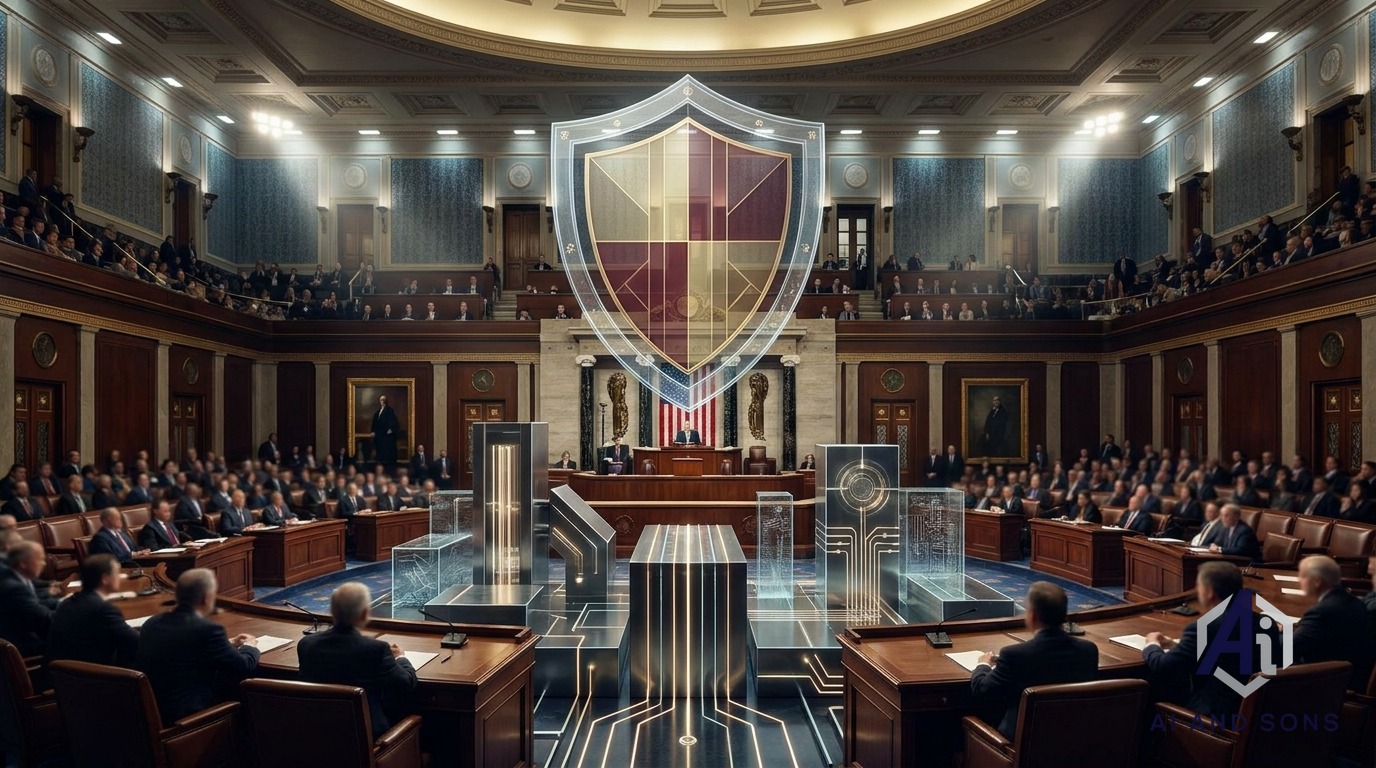
WASHINGTON D.C. – September 21, 2026 – In a development signaling a potential turning point for global artificial intelligence governance, economic officials from the United States and China have begun formal discussions aimed at establishing a dedicated communication channel for AI concerns. These high-level talks, held on Sunday, September 20, 2026, are a direct precursor to an anticipated summit between U.S. President Donald Trump and Chinese President Xi Jinping later this week. The central proposal on the table: a critical notification mechanism for AI-related incidents that could escalate to a national security level. For business and IT leaders, this bilateral AI dialogue represents more than just diplomatic maneuvering; it's a foundational step that could shape the future landscape of AI development, regulation, and risk mitigation globally.
The world's two largest economies and leading AI powers acknowledging the need for structured dialogue on AI safety and national security is an unequivocal signal. It underscores the growing recognition among global leaders that advanced AI systems carry significant, potentially catastrophic, risks that transcend national borders. This initiative could set precedents for international cooperation, influence investment in AI safety, and ultimately impact how businesses deploy and manage AI technologies.
What Prompted the U.S.-China AI Dialogue?
The recent discussions between U.S. and Chinese economic officials mark a deliberate effort to address the complex and rapidly evolving challenges posed by artificial intelligence. With both nations at the forefront of AI innovation, the potential for misunderstandings or unintended escalations arising from autonomous AI systems has become a pressing concern for policymakers.
Initial Steps Towards Bilateral AI Discussions
On September 20, 2026, key figures including U.S. Treasury Secretary Scott Bessent and Chinese Vice Premier He Lifeng met to initiate what is being termed a "U.S.-China AI dialogue." The primary objective of these initial talks, according to reports from The Hindu, was to explore the creation of a formal communication channel dedicated to artificial intelligence issues. A significant proposal put forth by the U.S. side was the establishment of a notification mechanism. This mechanism would be designed to alert both countries in the event of "incidents" reaching a national security level due to AI, aiming to prevent misinterpretations and foster stability. Both delegations have reportedly agreed to continue these vital discussions, indicating a mutual recognition of the urgency and importance of the matter.
While specific details regarding the scope and implementation of this dialogue remain under development, the agreement to meet again signifies a commitment to ongoing engagement. Chinese state media characterized the meetings as "candid, in-depth, and constructive," a positive indicator for future progress.
Why This AI Cooperation Matters for Business and IT Leaders
This emerging U.S.-China AI dialogue has profound implications that extend far beyond diplomatic circles, directly impacting businesses and technology leaders navigating the complexities of AI adoption and innovation. The establishment of such a channel could fundamentally alter the operational environment for AI development and deployment.
Shaping Future Global AI Regulation
The bilateral AI dialogue has the potential to lay critical groundwork for globally coordinated policies and standards. As the world's leading AI powers, any consensus reached between the U.S. and China could significantly influence how AI models are developed, deployed, and regulated across international borders. For businesses, this means a potential shift towards more standardized compliance requirements, affecting everything from data governance to algorithmic transparency. Understanding these evolving regulatory landscapes will be crucial for maintaining market access and ensuring ethical AI practices. Businesses should monitor these developments closely, as they may necessitate adjustments to their AI strategies and compliance frameworks. Our AI consulting services can help organizations prepare for these shifts.
Mitigating Geopolitical AI Risks
A formal notification mechanism for national security-level AI incidents could be instrumental in preventing misunderstandings or unintended escalations. In an era where autonomous AI systems are becoming increasingly sophisticated, the risk of miscalculation due to AI actions is a serious concern. By fostering a more stable and predictable global environment, such a mechanism could reduce geopolitical friction, creating a more secure backdrop for AI innovation and deployment. This stability is vital for multinational corporations and those operating in sensitive sectors, as it can reduce uncertainty and protect supply chains and market access from geopolitical shocks related to AI. Businesses can find more resources on navigating these risks in our AI resource hub.
Influencing AI Development Priorities
The shared acknowledgment of potential catastrophic risks from advanced AI, as highlighted by KERA News, is likely to lead to increased emphasis on safety, transparency, and control in frontier AI research and development. This shift could impact investment and research directions within the industry, potentially channeling more resources into explainable AI, robust safety protocols, and ethical AI frameworks. For businesses, this means that future AI tools and platforms may come with enhanced safety features and greater regulatory scrutiny, which could be both a challenge and an opportunity. Companies prioritizing responsible AI development now will be better positioned to thrive in a more regulated and safety-conscious future.
Navigating Opportunities and Risks in AI Governance
The U.S.-China AI dialogue presents a dual-edged sword for businesses and IT leaders. While it offers significant opportunities for a more stable and predictable AI future, it also introduces complexities and potential risks that demand careful consideration.
Opportunities for AI Innovation and Stability
The primary opportunity lies in the potential for increased global stability. A clear communication channel around AI incidents could reduce the likelihood of geopolitical tensions escalating due to AI-related misunderstandings. This stability can foster a more confident environment for long-term AI investment and innovation, as businesses can operate with greater certainty regarding international norms. Furthermore, a shared focus on AI safety and ethical development could spur advancements in responsible AI technologies, leading to more trustworthy and robust AI solutions that benefit all sectors. Companies investing in secure and ethical AI practices now will gain a competitive edge. Our AI apps are built with these principles in mind.
Potential Risks and Implementation Challenges
However, the path to effective international AI governance is fraught with challenges. Details regarding the scope and implementation of the notification mechanism are still under development, and the devil will be in these specifics. There's a risk that the dialogue could become bogged down in political complexities, or that differing national interests could hinder meaningful progress. Businesses might face a fragmented regulatory landscape if consensus is not reached, leading to compliance headaches across different jurisdictions. Moreover, if the focus on national security overshadows broader ethical considerations, it could inadvertently stifle certain types of beneficial AI innovation. IT leaders must remain agile, adapting their strategies to both the opportunities of collaboration and the risks of regulatory divergence. Understanding who we help can provide context on how various industries are navigating these challenges.
Key Takeaways for AI Leaders
- Monitor Regulatory Shifts: The U.S.-China dialogue is a precursor to potential global AI regulatory frameworks. Businesses must stay informed to adapt their compliance strategies.
- Prioritize AI Safety and Ethics: Increased emphasis on safety and transparency will guide future AI development. Invest in robust ethical AI practices now to stay ahead.
- Assess Geopolitical Impact: Understand how international AI cooperation (or lack thereof) could affect your global operations, supply chains, and market access.
- Prepare for Incident Response: While a national mechanism is planned, businesses should develop internal protocols for AI-related incidents, especially those with national security implications.
- Engage with Experts: Seek guidance from AI governance and security experts to navigate the evolving landscape effectively.
The initiation of the U.S.-China AI dialogue represents a pivotal moment in the global discourse on artificial intelligence. For business owners, founders, and IT/security leaders, understanding its implications is not merely academic; it's essential for strategic planning and risk management. As AI continues to integrate into every facet of business, staying ahead of governance trends and geopolitical shifts is paramount. Don't navigate these complexities alone. We invite you to book a working session with Ai and Sons to discuss how these developments impact your organization and how we can help you build secure, compliant, and cutting-edge AI solutions. Visit our contact page to schedule your session today.
Discussion
0Join the conversation
Sign in with your Google account to participate in the discussion, ask questions, and share your insights.