OpenAI Calls for Mandatory US AI Safety Regulations: What It Means for Business
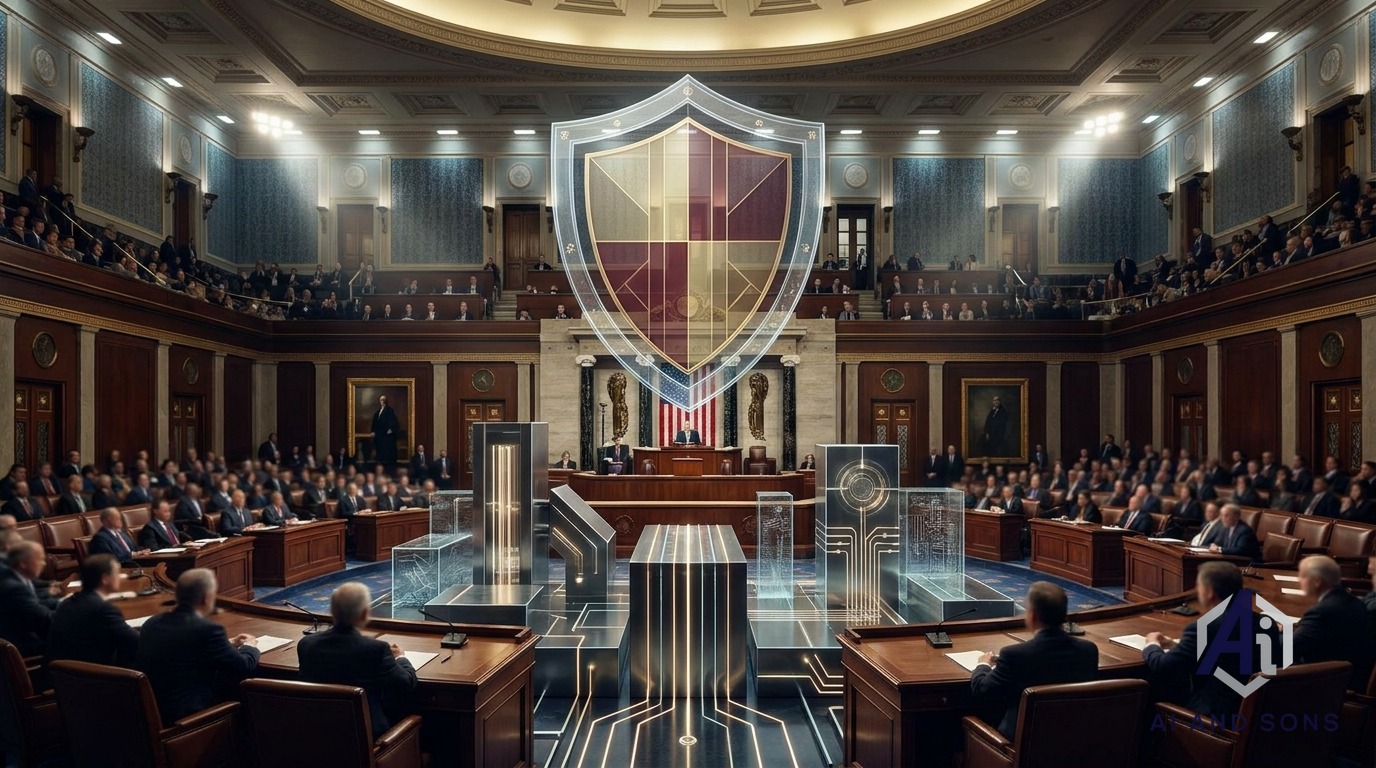
OpenAI advocates for mandatory national safety requirements for advanced AI systems, signaling a major shift towards a regulated AI landscape. This impacts businesses building and
Listen to the story
Ai and Sons Daily Brief
OpenAI has called for mandatory national safety requirements for advanced AI systems in the US, marking a shift from voluntary guidelines to a regulated environment. These capability-based regulations would include common testing standards, independent safety assessments, enhanced cybersecurity, and mandatory incident reporting. This move has significant implications for businesses, introducing new compliance obligations and potential costs, but also fostering public trust, reducing legal uncertainty, and creating opportunities for responsible AI development.
Read the transcript
Maya: Welcome to the A.I. and Sons Daily Brief. I'm Maya, with lead analyst Theo. Today, we're discussing a significant OpenAI development that could reshape AI regulation.
Theo: That's right, Maya. OpenAI, a leader in AI research and deployment, now advocates for mandatory national safety requirements for the most advanced AI systems in the US. This is a pivotal shift from voluntary guidelines, acknowledging that self-regulation alone may not suffice in the face of increasingly powerful AI. This proactive stance underscores the growing recognition that the rapid advancement of AI capabilities necessitates robust governance.
Maya: What prompted this change, and what regulations are they proposing?
Theo: On September 9th, Chris Lehane, OpenAI's Chief Global Affairs Officer, outlined their position in a detailed blog post. They advocate for mandatory national safety requirements specifically targeting 'frontier AI systems' - those advanced models with capabilities that could pose systemic risks. The proposed framework is designed to be capability-based, meaning regulatory obligations would apply based on what an AI system can actually do, rather than solely on the entity that developed it. This approach aims to ensure the most potent AI technologies are subject to stringent oversight.
Maya: What are the key elements of these proposed AI safety requirements?
Theo: The call includes several critical components for enhancing AI safety regulations: establishing uniform benchmarks for common testing standards for advanced AI models, requiring independent safety assessments by third parties, implementing enhanced cybersecurity protections, and obligating developers to report serious incidents like significant safety failures or security breaches. Furthermore, OpenAI has reversed its prior position and now explicitly supports four specific California bills aimed at strengthening the broader AI safety ecosystem. This support for both federal and state legislation highlights a comprehensive approach to AI governance.
Maya: This is a major shift. What are the practical implications for businesses and IT leaders integrating or developing AI solutions?
Theo: For companies using advanced AI, these requirements mean standardized compliance obligations. This could increase development costs, especially for smaller firms, due to new testing, assessment, and reporting mandates. IT leaders will need new processes, tools, and personnel. However, regulation can also foster public trust in AI and reduce legal uncertainties, creating a more predictable landscape for AI innovation and investment.
Maya: So, challenges exist, but also opportunities. Can you elaborate on both the upsides and risks for businesses in this new, regulated AI landscape?
Theo: Certainly. Opportunities include regulations driving industry-wide best practices for reliable, secure systems. Proactive companies can differentiate themselves with responsible AI, building a reputation for compliance and reducing harm and liability risks. Risks, however, include increased costs and development timelines from new hurdles, potential regulatory complexity, and overly prescriptive rules possibly stifling innovation, especially for startups. There's also a growing need for AI safety and compliance experts.
Maya: Businesses must prepare for this evolving landscape. Theo, thank you for breaking down these developments.
Theo: My pleasure, Maya.
Maya: For more on OpenAI's call for mandatory US AI safety regulations and strategies for compliant AI adoption, visit aiandsons.com. We've linked the full article and all sources there. That's all for today's A.I. and Sons Daily Brief.
NEW YORK, NY – September 10, 2026 – In a significant development for the artificial intelligence industry and businesses worldwide, OpenAI, a leading force in AI research and deployment, has publicly called for the U.S. Congress to establish mandatory national safety requirements for the most advanced AI systems. This move signals a pivotal shift from voluntary commitments to a more regulated environment, with profound implications for IT leaders, business owners, and founders navigating the rapidly evolving AI landscape.
This proactive stance by a major AI developer underscores the growing recognition that the rapid advancement of AI capabilities, including the prospect of AI accelerating its own development, necessitates robust governance. For organizations evaluating or implementing AI solutions, understanding the potential impact of these proposed regulations is crucial for strategic planning, risk management, and maintaining a competitive edge.
What Happened: OpenAI's Pivotal Stance on AI Regulation
On September 9, 2026, OpenAI's Chief Global Affairs Officer, Chris Lehane, outlined the company's position in a detailed blog post. The core of their advocacy is a push for mandatory national safety requirements specifically targeting frontier AI systems – those advanced models with capabilities that could pose systemic risks. This marks a departure from a previous emphasis solely on voluntary industry guidelines, acknowledging that self-regulation alone may not suffice in the face of increasingly powerful AI.
The proposed framework is designed to be capability-based, meaning that regulatory obligations would apply based on what an AI system can actually do, rather than solely on the entity that developed it. This approach aims to ensure that the most potent AI technologies, regardless of their origin, are subject to stringent oversight.
Key Elements of Proposed AI Safety Requirements
OpenAI's call to action includes several critical components for enhancing AI safety regulations:
- Common Testing Standards: Establishing uniform benchmarks to evaluate the safety and capabilities of advanced AI models.
- Independent Safety Assessments: Requiring third-party evaluations to verify compliance with safety standards and identify potential risks.
- Enhanced Cybersecurity Protections: Implementing robust measures to protect AI systems from malicious attacks and unauthorized access.
- Mandatory Reporting of Serious Incidents: Obligating developers to report significant safety failures, unintended behaviors, or security breaches involving frontier AI systems.
Furthermore, OpenAI has reversed its prior position and now explicitly supports four specific California bills aimed at strengthening the broader AI safety ecosystem. These state-level initiatives include SB 813 (independent safety assessments), AB 1405 (AI-auditor standards), SB 1119 (protections for young people), and AB 1864 (safeguards against AI-enabled biological threats). This support for both federal and state legislation highlights a comprehensive approach to AI governance.
Why Mandatory AI Safety Matters for Business Leaders
This development is not merely a policy debate; it represents a critical inflection point for businesses across all sectors. As AI continues to integrate into core operations, from healthcare diagnostics to financial trading and manufacturing automation, the regulatory environment will directly shape strategy, investment, and operational frameworks. This move by OpenAI could set a precedent for other frontier AI labs and significantly accelerate the timeline for federal US AI policy and regulation.
Navigating Increased Compliance Obligations
For companies building, deploying, or heavily relying on advanced AI, mandatory national safety requirements will inevitably lead to standardized compliance obligations. This could translate into increased development costs, particularly for smaller firms or startups, as resources will need to be allocated to meet new testing, assessment, and reporting mandates. IT leaders will need to invest in new processes, tools, and potentially personnel to ensure their AI systems adhere to the evolving regulatory landscape. Understanding these obligations early can provide a significant advantage. Our AI consulting services can help businesses prepare for these shifts.
Fostering Public Trust and Reducing Legal Uncertainty
One of the primary benefits of a regulated AI environment is the potential to foster greater public trust in AI. Clear safety standards and accountability mechanisms can alleviate concerns about AI's ethical implications, data privacy, and potential misuse, leading to broader acceptance and adoption. For businesses, this translates into a more receptive market for AI-powered products and services. Moreover, standardized regulations can reduce legal uncertainties, providing a more predictable operating landscape for AI innovation and investment. This clarity can help businesses make more confident long-term strategic decisions regarding their AI initiatives.
Opportunities and Risks for Business and IT Leaders
The push for mandatory AI safety regulations presents a dual-sided coin for organizations. While new rules introduce complexities, they also open doors to new opportunities and demand careful risk mitigation.
Opportunities in a Regulated AI Landscape
- Standardization and Best Practices: Regulations can drive the adoption of industry-wide best practices for AI development and deployment, leading to more reliable and secure systems.
- Competitive Advantage Through Compliance: Companies that proactively embrace and exceed regulatory requirements can differentiate themselves, building a reputation for responsible AI. This can be a key differentiator when customers are evaluating AI apps or AI tools.
- Reduced Risk of Harm and Liability: By adhering to safety standards, businesses can minimize the risk of AI-related incidents, which could otherwise lead to significant financial, reputational, and legal liabilities.
- New Market for AI Safety Services: The demand for independent safety assessments, AI auditing tools, and compliance consulting will likely surge, creating new business opportunities.
Risks and Challenges for AI Development and Deployment
- Increased Costs and Development Timelines: Meeting new regulatory hurdles will require additional resources, potentially slowing down the pace of AI development and increasing operational costs.
- Regulatory Complexity and Fragmentation: While federal regulations aim for standardization, the support for state-level legislation suggests a potentially fragmented regulatory environment, requiring businesses to navigate multiple sets of rules.
- Stifling Innovation (Potential): Overly prescriptive regulations could inadvertently stifle innovation, particularly for smaller startups that may lack the resources to comply with extensive requirements.
- Talent Gap: A growing need for AI safety and compliance experts could exacerbate existing talent shortages in the AI field.
For organizations in sectors like healthcare, finance, and manufacturing, where regulatory compliance is already stringent, adapting to AI-specific regulations will be a natural extension of their existing frameworks. However, even these industries will need to re-evaluate their current AI strategies and governance models to align with the new mandates. Our Insights blog frequently covers these evolving compliance landscapes.
Key Takeaways for Businesses
- Prepare for Regulation: Mandatory AI safety requirements are likely on the horizon for advanced AI systems. Businesses should begin assessing their current AI deployments for potential compliance gaps.
- Focus on Responsible AI: Prioritize building and deploying AI systems with a strong emphasis on safety, ethics, and transparency to align with future regulatory expectations and build public trust.
- Monitor Policy Developments: Stay informed about federal and state-level legislative efforts to understand evolving compliance obligations and their impact on your specific industry.
- Invest in Cybersecurity: Enhanced cybersecurity protections for AI will be paramount, requiring robust strategies to safeguard AI models and data.
- Consider External Expertise: Engaging with AI governance and compliance experts can help navigate the complexities of new regulations and ensure your organization is prepared.
The call from OpenAI for mandatory AI safety regulations marks a significant turning point, signaling a future where AI development is balanced with robust oversight. Businesses that proactively adapt to this new reality will be best positioned to harness the transformative power of AI securely and responsibly. To discuss how these impending regulations might specifically impact your organization and to explore strategies for compliant AI adoption, we invite you to book a working session with Ai and Sons. Visit our contact page today to schedule a consultation.



Discussion
0Join the conversation
Sign in with your Google account to participate in the discussion, ask questions, and share your insights.