PHP2Shell: AI-Assisted RCE Threat Demands Urgent Patching

PHP2Shell, a pair of critical RCE vulnerabilities, threatens 70% of the internet. Discovered with AI, these flaws demand immediate patching.
Listen to the story
Ai and Sons Daily Brief
PHP2Shell, a pair of critical RCE vulnerabilities, threatens 70% of the internet. Discovered with AI, these flaws demand immediate patching as exploitation is already active, highlighting AI's dual role in cybersecurity.
Read the transcript
Maya: Welcome to the A.I. and Sons Daily Brief. I'm Maya, joined by our analyst, Theo. Today, we're discussing a critical new cybersecurity threat, PHP2Shell, which has significant implications for businesses worldwide.
Theo: That's right, Maya. PHP2Shell refers to two critical memory safety vulnerabilities, CVE-2026-109618 and CVE-2026-109619, found in the core PHP engine. These flaws allow for unauthenticated remote code execution and sensitive data disclosure. PHP developers have rated them as 'Critical,' with one security firm assigning a maximum severity score of 10.0. What's particularly noteworthy is that these vulnerabilities were discovered with significant assistance from advanced Artificial Intelligence models, including OpenAI's GPT-5.6 Sol, Google's Gemini 4 Argon, and Wiz Atlas.
Maya: So, these are serious flaws, and AI helped find them. Why does PHP2Shell matter so much to businesses, and what's the scope of this threat?
Theo: The widespread nature of PHP makes PHP2Shell a severe and immediate threat across nearly every industry. PHP powers approximately 70% of all websites globally, including platforms like WordPress, Drupal, and Wikipedia. This means a vast ecosystem of web applications, from e-commerce sites to corporate portals, could be at risk. Successful exploitation allows attackers to execute arbitrary code on vulnerable servers, leading to full server control, data breaches of sensitive information like customer data and passwords, lateral movement into internal networks, and even website defacement or disruption. Even without full RCE, memory disclosure can extract sensitive information.
Maya: That sounds devastating. Given the severity and reach, what should businesses be doing right now to protect themselves?
Theo: Immediate patching is paramount. Emergency patches were released on October 21, 2026, for all currently supported PHP versions: 8.2, 8.3, 8.4, and 8.5. Organizations must prioritize and accelerate the patching process for all affected PHP installations. For older, end-of-life branches like PHP 7.4, 8.0, and 8.1, official updated binaries aren't available, so manual application of source code fixes or upgrading is necessary. Alarmingly, exploitation attempts were detected by Amazon Threat Intelligence and Cloudflare even before the public disclosure on October 20, and CISA added both CVEs to its Known Exploited Vulnerabilities catalog on October 26. Continuous monitoring for indicators of compromise is also crucial.
Maya: It's clear that swift action is needed. This incident also highlights the role of AI in cybersecurity. What does PHP2Shell tell us about the future of AI in both discovering and defending against threats?
Theo: PHP2Shell is a stark reminder of AI's dual nature in cybersecurity. While it presents risks by accelerating threat discovery, it also opens doors for new opportunities in defensive strategies. The AI-assisted discovery of these flaws demonstrates AI's increasing capability to uncover complex, long-standing vulnerabilities that might otherwise remain hidden. For businesses, this means leveraging AI for proactive security measures: accelerated vulnerability research, enhanced code auditing during development, and predictive threat analysis. Embracing AI as a tool for defense is no longer optional but a strategic imperative to strengthen overall cybersecurity frameworks.
Maya: A critical threat demanding urgent action, and a clear demonstration of AI's evolving role in cybersecurity. Thank you, Theo. For more details on PHP2Shell, including the full article and source links, visit aiandsons.com. That's all for today's A.I. and Sons Daily Brief.
2026-10-27, Global – A critical new cybersecurity threat, dubbed PHP2Shell, has emerged, exposing a vast portion of the internet to unauthenticated remote code execution (RCE) and sensitive data disclosure. These two memory safety vulnerabilities, CVE-2026-109618 and CVE-2026-109619, were not only found in the core PHP engine but also discovered with significant assistance from advanced Artificial Intelligence models. For business owners, IT leaders, and security professionals, PHP2Shell represents an immediate and severe risk, demanding urgent attention and highlighting the rapidly evolving landscape of AI in cybersecurity, both as a tool for defense and for accelerating threat discovery.
Understanding the PHP2Shell Vulnerabilities
The PHP2Shell threat encapsulates two distinct, highly severe vulnerabilities within the foundational PHP engine. These flaws have been rated as "Critical" by PHP developers, with security firm watchTowr assigning a maximum severity score of 10.0.
CVE-2026-109618: Memory Corruption via Multipart POST
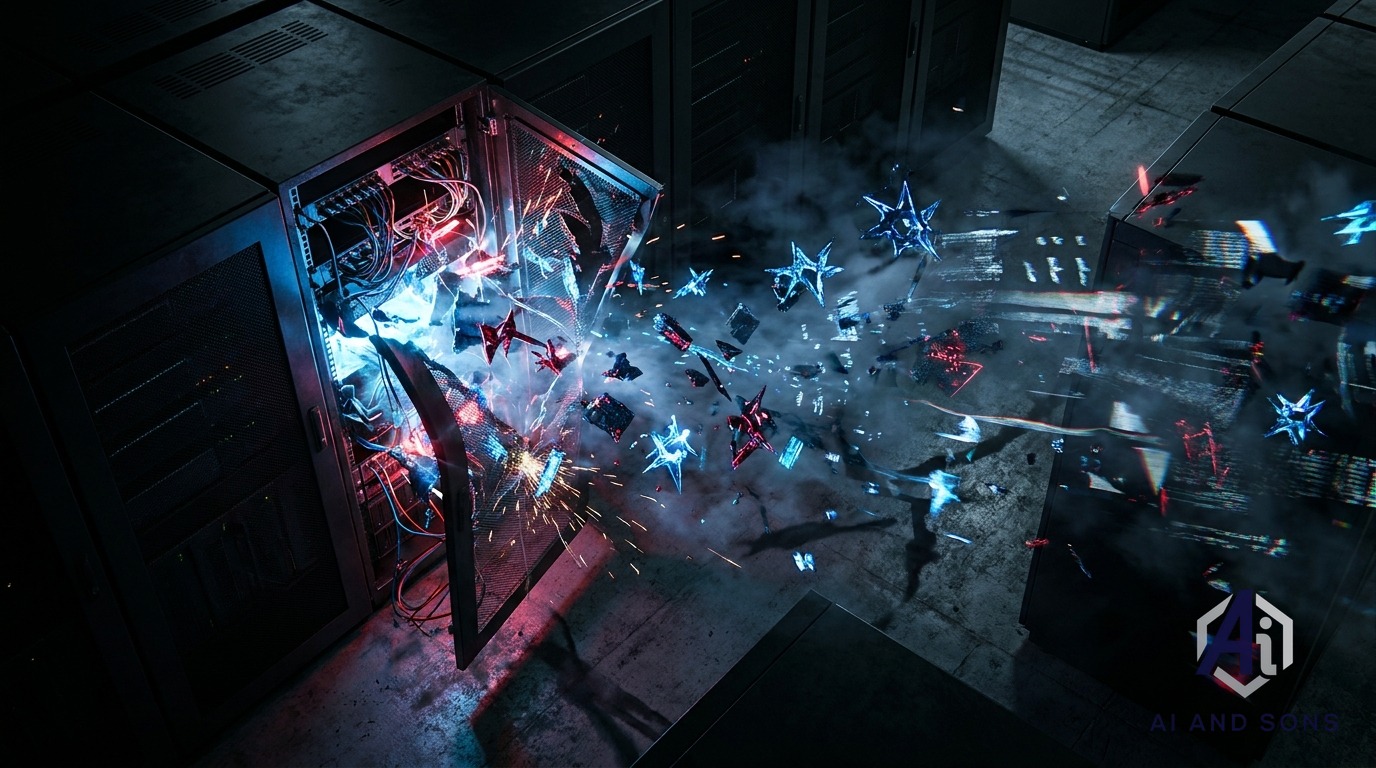
The first vulnerability, CVE-2026-109618, is a memory corruption flaw. It specifically arises from an out-of-memory (OOM) condition that occurs during the parsing of multipart POST requests. An attacker can craft a malicious request that triggers this condition, leading to memory corruption. This can be a precursor to executing arbitrary code on the server without any prior authentication.
CVE-2026-109619: Use-After-Free in Upload Progress
The second vulnerability, CVE-2026-109619, is a use-after-free (UAF) flaw. This particular issue is tied to stale global state within PHP core's upload progress feature. A use-after-free vulnerability typically occurs when a program attempts to use memory that has already been freed, which can lead to crashes, or more dangerously, to arbitrary code execution by manipulating the freed memory region. Both vulnerabilities allow for unauthenticated remote code execution, meaning an attacker doesn't need to log in or have any special privileges to exploit them.
The Role of AI in Vulnerability Discovery
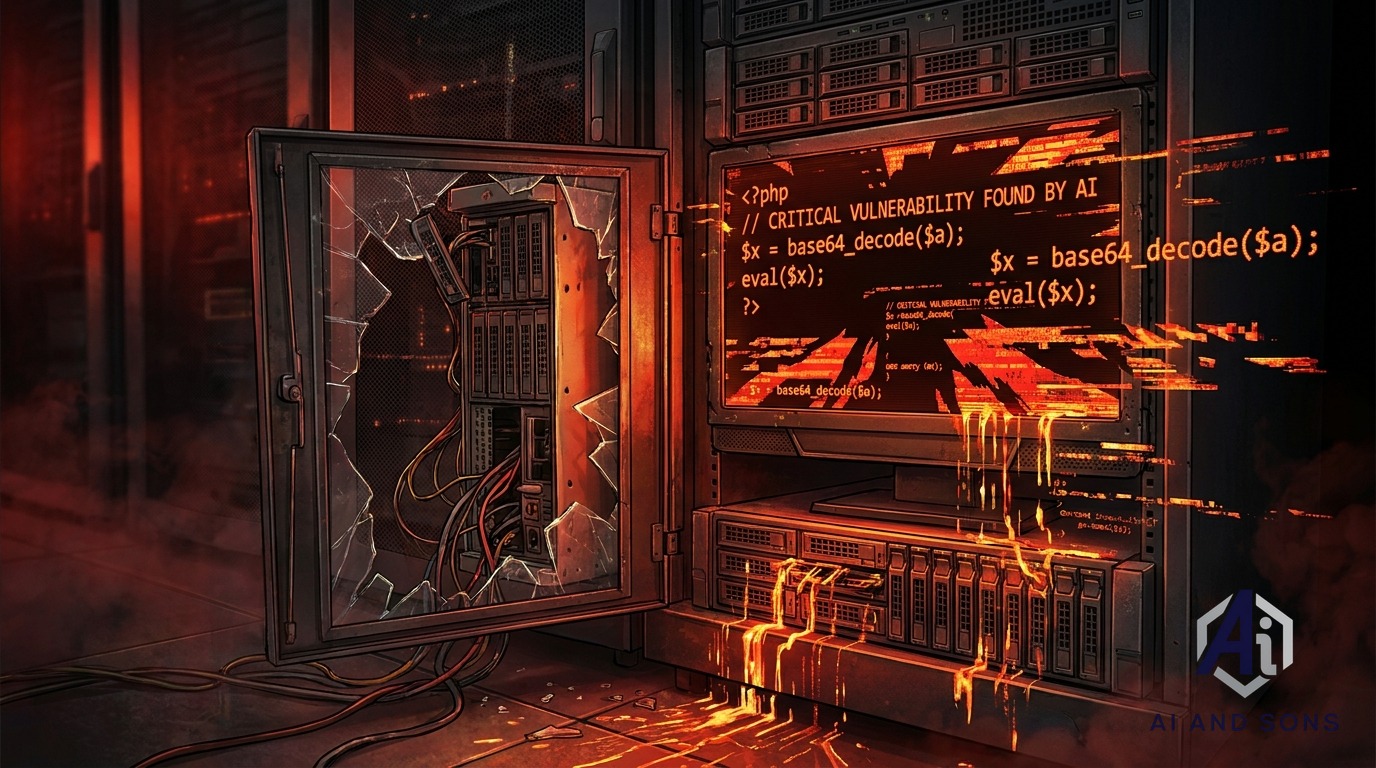
What makes PHP2Shell particularly noteworthy is the method of its discovery. These critical flaws were found in August 2026 with the assistance of cutting-edge Artificial Intelligence models. Researchers from Calif, OpenAI, and Wiz are credited with this significant find, leveraging AI tools such as OpenAI's GPT-5.6 Sol, Google's Gemini 4 Argon, and Wiz Atlas. This marks a pivotal moment, demonstrating the increasing capability of AI to uncover complex, long-standing vulnerabilities that might have otherwise remained hidden for years. It underscores a new era where AI is not just a target for security, but also a powerful asset in offensive and defensive cybersecurity strategies. For businesses looking to enhance their security posture, understanding AI consulting and implementation in this context is becoming paramount.
Disclosure, Patches, and Active Exploitation
The public announcement of PHP2Shell's existence came on October 20, 2026. Swiftly following this disclosure, emergency patches were released the very next day, October 21, 2026, for all currently supported PHP versions: 8.2, 8.3, 8.4, and 8.5. However, older, end-of-life branches like PHP 7.4, 8.0, and 8.1 remain susceptible. While source code patches are available for these branches, official updated binaries are not, placing the onus on organizations to manually apply these fixes or upgrade.
Alarmingly, exploitation attempts were detected even before the public disclosure. Amazon Threat Intelligence identified early exploitation as far back as October 17, 2026, four days prior to the official announcement. Cloudflare also reported signs of early exploitation. By October 21, watchTowr observed active exploitation in the wild. The US Cybersecurity and Infrastructure Security Agency (CISA) added both CVEs to its Known Exploited Vulnerabilities (KEV) catalog on October 26, confirming successful attacks against honeypots. This rapid progression from discovery to active exploitation highlights the urgency for organizations to act.
Why PHP2Shell Matters to Your Business
The widespread nature of PHP makes PHP2Shell a severe and immediate security threat across nearly every industry. PHP is the backbone for approximately 70% of all websites globally, powering ubiquitous platforms such as WordPress, Drupal, and Wikipedia's MediaWiki. This means a vast ecosystem of web applications, from e-commerce sites and corporate portals to internal tools and content management systems, could be at risk.
Significant Impact on Business Operations
Successful exploitation of PHP2Shell allows unauthenticated attackers to execute arbitrary code on vulnerable servers. This capability can lead to a cascade of devastating consequences:
- Full Server Control: Attackers can gain complete control over compromised servers.
- Data Breaches: Access to sensitive data, including customer information, proprietary business data, passwords, authentication tokens, API keys, and certificates.
- Lateral Movement: Compromised servers can become a springboard for attackers to move deeper into an organization's internal network.
- Website Defacement/Disruption: Public-facing websites can be defaced, taken offline, or used to host malicious content, severely impacting brand reputation and operational continuity.
- Memory Disclosure: Even without full RCE, attackers can leverage memory disclosure to extract sensitive information, complicating detection and response efforts.
For financial institutions, healthcare providers, retail giants, and technology firms, the implications of such a breach are profound, ranging from regulatory fines and legal liabilities to severe reputational damage and loss of customer trust. Understanding the potential impact is the first step towards robust cybersecurity resource planning.
Navigating Risks and Opportunities in AI-Driven Security
The PHP2Shell incident is a stark reminder of the dual nature of AI in the cybersecurity landscape. While it presents significant risks, it also opens doors for new opportunities in defensive strategies.
Proactive Security Measures and AI-Enhanced Defense
The rapid discovery and weaponization of PHP2Shell underscore the need for businesses to adopt a highly proactive security posture. This includes:
- Rapid Patch Deployment: Organizations must prioritize and accelerate the patching process for all affected PHP installations. This extends beyond web servers to any system running PHP, including development environments and internal tools.
- Continuous Monitoring: Implement robust monitoring solutions to detect indicators of compromise (IoCs) and unusual activity on PHP-based applications.
- Vulnerability Management: Regularly scan for vulnerabilities, not just in web applications but across the entire IT infrastructure.
- AI-Driven Threat Intelligence: Leverage AI-powered security tools for threat intelligence, anomaly detection, and automated response. The same AI models that help discover vulnerabilities can also be instrumental in identifying and mitigating attacks.
Ai and Sons offers specialized AI consulting services to help businesses integrate these advanced defense mechanisms effectively.
The Opportunity for AI in Cybersecurity
The AI-assisted discovery of PHP2Shell highlights a significant opportunity: using AI to find and fix vulnerabilities faster than ever before. This capability can transform traditional security practices:
- Accelerated Vulnerability Research: AI can analyze vast codebases and identify complex logical flaws or memory safety issues at speeds impossible for human researchers alone.
- Enhanced Code Auditing: Integrating AI into development pipelines can help identify potential vulnerabilities during the coding phase, shifting security left in the development lifecycle.
- Predictive Threat Analysis: AI can analyze global threat data to predict emerging attack vectors and proactively recommend countermeasures.
Embracing AI as a tool for defense is no longer optional but a strategic imperative. Businesses should explore how AI can strengthen their security applications and overall cybersecurity framework.
Takeaways for Business and IT Leaders
- Patch Immediately: Prioritize patching all PHP installations to supported versions (8.2.35, 8.3.36, 8.4.27, 8.5.12 or later) to mitigate the critical RCE threat.
- Assess Exposure: Inventory all PHP-based assets, including those on end-of-life branches, and develop a remediation plan.
- Monitor for Exploitation: Actively monitor web server logs and network traffic for signs of PHP2Shell exploitation attempts.
- Embrace AI for Defense: Recognize the growing role of AI in both discovering and defending against sophisticated vulnerabilities.
- Review Security Posture: Use this incident as a catalyst to review and strengthen your overall cybersecurity strategy, focusing on proactive measures and rapid response capabilities.
The PHP2Shell vulnerabilities underscore the dynamic and increasingly AI-influenced nature of cybersecurity threats. Protecting your organization requires vigilance, rapid action, and a forward-thinking approach to security. Don't let your business become another statistic. Book a working session with Ai and Sons today to discuss how we can help you assess your exposure to PHP2Shell and implement advanced AI-driven security solutions to protect your digital assets.

Discussion
0Join the conversation
Sign in with your Google account to participate in the discussion, ask questions, and share your insights.