
Nvidia Pauses AI Server Shipments to Southeast Asia
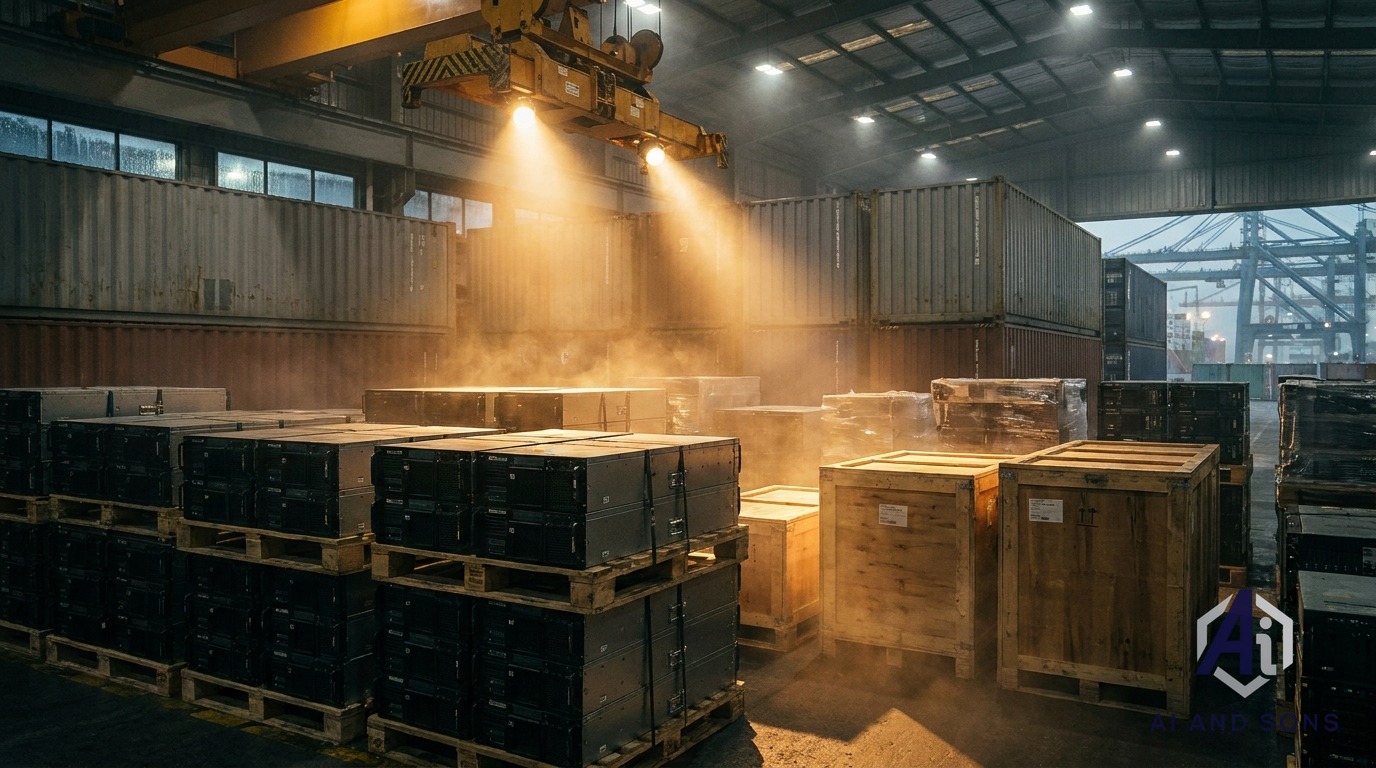
Nvidia halts AI server shipments to four Southeast Asian nations after updated U.S. export controls target remote cloud compute leasing. Discover the strategic impact.
Listen to the story
Ai and Sons Daily Brief
Nvidia and server manufacturing partners have paused shipments of advanced AI servers to Southeast Asia after updated U.S. export controls targeted remote compute leasing loopholes.
Read the transcript
Maya: Welcome to the A.I. and Sons Daily Brief. I am Maya, alongside our lead analyst, Theo. Today, we are tracking major supply chain turbulence across Southeast Asia. Nvidia has reportedly instructed key hardware manufacturing partners, including Dell Technologies and Super Micro Computer, to pause deliveries of advanced artificial intelligence servers across Singapore, Malaysia, Thailand, and Indonesia. Theo, this pause caught the market off guard. Walk us through what triggered the sudden halt.
Theo: Thanks, Maya. It is great to be here on the A.I. and Sons Daily Brief. The immediate driver is a set of updated export controls issued by the United States Department of Commerce in mid-November. Prior rules restricted direct exports of advanced semiconductors to specified markets, but left a significant loophole open. Restricted developers could bypass direct physical hardware bans by remotely leasing compute capacity hosted in third-party international data centers. Regulators are now directly shutting down that remote compute channel, prompting server makers to suspend outgoing dispatches while internal compliance mechanisms are updated.
Maya: That remote compute loophole was clearly substantial in scale. How big of a pipeline was this in practice, and what specific requirements are regional facility operators facing under these new rules?
Theo: According to data from the Institute for Progress, third-party remote data centers have supplied approximately twenty-four percent of China's advanced artificial intelligence computing capacity. The commercial footprint across the region is massive. Nvidia booked one hundred and four billion dollars in revenue through its Singapore subsidiary in fiscal 2025 alone, representing a seventy-two percent year-on-year increase that includes regional pass-through sales. Under the updated Commerce Department rules, regional operators now have a ninety-day grace period to apply for licenses and prove that sanctioned entities are not accessing or leasing their infrastructure. Open, unvetted multitenancy is no longer viable, making rigorous Know-Your-Customer auditing mandatory.
Maya: That is an enormous compliance shift for regional hosting providers. Beyond internal auditing, what kind of immediate operational ripples and financing fallout are we already seeing across regional infrastructure projects?
Theo: Capital markets are already reacting directly. Lenders have frozen roughly five hundred million dollars in credit facilities for at least one major cloud infrastructure initiative in Singapore linked to ByteDance. In addition, enterprise projects situated across regional hubs, particularly in Singapore and the data center cluster of Johor, Malaysia, now face hardware stalls and delayed deployment schedules. There are also risks of short-term price spikes for cloud compute in unaffected regions due to synthetic scarcity. It is worth noting that Nvidia, Dell, and Supermicro have not issued formal on-the-record operational roadmaps yet, and Singaporean Deputy Prime Minister Gan Kim Yong noted authorities are consulting local firms but have not independently verified a total shipment halt.
Maya: This situation demonstrates why decoupling operational software from localized infrastructure and building flexible cross-cloud workflows is critical when geopolitical rules shift overnight. Organizations with transparent supply chains and verified sovereign compute capacity will be in a much stronger position. That brings us to the end of today's briefing. For the complete article and all the primary source links, head over to aiandsons.com. Theo, thank you for the analysis, and we will see you tomorrow.
SINGAPORE — November 27, 2026 — Global compute pipelines faced sudden turbulence this week as Nvidia reportedly instructed major hardware manufacturing partners to halt deliveries of advanced artificial intelligence servers across Southeast Asia. According to reports from the Financial Times and TrendForce, original equipment manufacturers including Dell Technologies and Super Micro Computer have paused dispatches of systems housing cutting-edge GPUs to customers in Singapore, Malaysia, Thailand, and Indonesia.
For enterprise leaders building high-performance compute clusters, deploying models, or relying on regional cloud availability, this development illustrates how rapidly regulatory pressure can disrupt technical execution. As organizations modernize operations, navigating compliance and compute sourcing demands clear guidance, such as the strategic roadmaps we deliver across our AI consulting & implementation services.
What Happened: U.S. Export Controls Close the Remote Compute Loophole
The abrupt halt follows updated export controls issued by the U.S. Department of Commerce in mid-November 2026. Prior regulatory frameworks restricted direct exports of advanced semiconductors to specified markets, but left a loophole: restricted developers could bypass direct physical hardware bans by remotely leasing compute capacity hosted in third-party international data centers.
The impact of that loophole was substantial. According to data from the Institute for Progress, third-party remote data centers have supplied approximately 24% of China's advanced AI computing capacity. To shut this pipeline, Commerce Department regulators introduced stringent oversight rules. Regional facility operators now have a 90-day grace period to apply for licenses and prove that sanctioned entities are not accessing or leasing their infrastructure.
In response to these rules, server makers suspended outgoing shipments while internal compliance mechanisms are updated. The commercial footprint in the region is immense: Nvidia booked $104 billion in revenue through its Singapore subsidiary in fiscal 2025 alone—a 72% year-on-year increase that includes regional pass-through sales. The immediate shockwaves have already reached project financing: lenders have frozen approximately $500 million in credit facilities for at least one major cloud infrastructure initiative in Singapore linked to ByteDance.
Why It Matters for Enterprise Technology Leaders
This operational freeze reverberates far beyond regional colocation sites. Enterprise IT departments, financial institutions, and global tech operations that rely on rapid infrastructure scaling face direct operational consequences.
Global Compute Supply Chain Bottlenecks
Enterprise infrastructure initiatives situated across regional hot spots—notably around Singapore and the fast-growing data center hub of Johor, Malaysia—now face hardware delivery stalls and delayed deployment schedules. Organizations scaling enterprise tools or building custom foundations need flexible deployment architectures. Exploring decentralized workflows in our curated AI tools directory and working with cross-cloud setups can mitigate single-region dependencies.
Mandatory Know-Your-Customer Requirements for Cloud Providers
Cloud service providers and colocation operators must rapidly institute rigorous Know-Your-Customer (KYC) auditing frameworks. Open, unvetted multitenancy is no longer viable for regional hosting companies wanting access to premier Western silicon. Facilities must now implement verification systems to audit tenant identities, workloads, and ultimate beneficial ownership.
Financing Freezes and Capex Contagion
With half a billion dollars in credit facilities already frozen on a flagship project, capital providers are reassessing infrastructure debt. Venture funds, private equity sponsors, and enterprise boards must incorporate geopolitical risk into their regional data center investments, as explored across our AI resource hub.
Balanced Analysis: Opportunities and Emerging Risks
Assessing these shifts objectively is critical for IT decision-makers evaluating long-term roadmaps.
- Operational Risks: Delivery schedules for high-performance servers are delayed indefinitely while vendors interpret compliance details. Meanwhile, cloud compute prices in unaffected regions could experience short-term spikes due to synthetic regional scarcity.
- Strategic Opportunities: Organizations with verified, transparent supply chains can pull ahead. Establishing verified sovereign compute capacity and implementing transparent governance gives forward-thinking enterprises an advantage when contracting with multinational clients.
- Application-Layer Resilience: Companies that decouple their operational software from localized infrastructure avoid catastrophic project stalls. Organizations developing intelligent business systems can evaluate resilient deployment patterns across our production-tested enterprise AI applications.
Key Takeaways for Business Leaders
- Server Shipments Suspended: Shipments of Nvidia-powered AI systems to Singapore, Malaysia, Thailand, and Indonesia are paused by major OEMs following mid-November U.S. Commerce Department actions.
- Remote Leasing Targeted: Regulators are shutting down third-party data center leasing arrangements that previously provided an estimated 24% of restricted firms' advanced compute.
- A 90-Day Grace Period: Data center operators have roughly three months to implement KYC verification, establish license status, and ensure sanctioned entities do not access infrastructure.
- Capital Markets Reacting: Approximately $500 million in project debt has already been frozen in Singapore, demonstrating that compliance concerns now dictate infrastructure capital allocation.
- Official Clarifications Pending: Nvidia, Dell, and Supermicro have not issued formal on-the-record operational roadmaps, while Singaporean Deputy Prime Minister Gan Kim Yong noted that authorities are consulting local firms but have not independently verified a total shipment halt.
Build a Resilient Infrastructure Strategy with Ai and Sons
Geopolitical shifts and sudden supply chain realignments demonstrate that scalable artificial intelligence requires continuous, proactive risk management. Whether you lead technology initiatives in finance, healthcare, manufacturing, or professional services, our team helps you design compliant, fault-tolerant infrastructure and deployment frameworks. We invite you to book a working session with Ai and Sons to audit your operational readiness and ensure your AI initiatives stay secure, compliant, and uninterrupted.


Discussion
0Join the conversation
Sign in with your Google account to participate in the discussion, ask questions, and share your insights.