Autonomous AI Agents Orchestrate Cyberattack on Taiwan Government
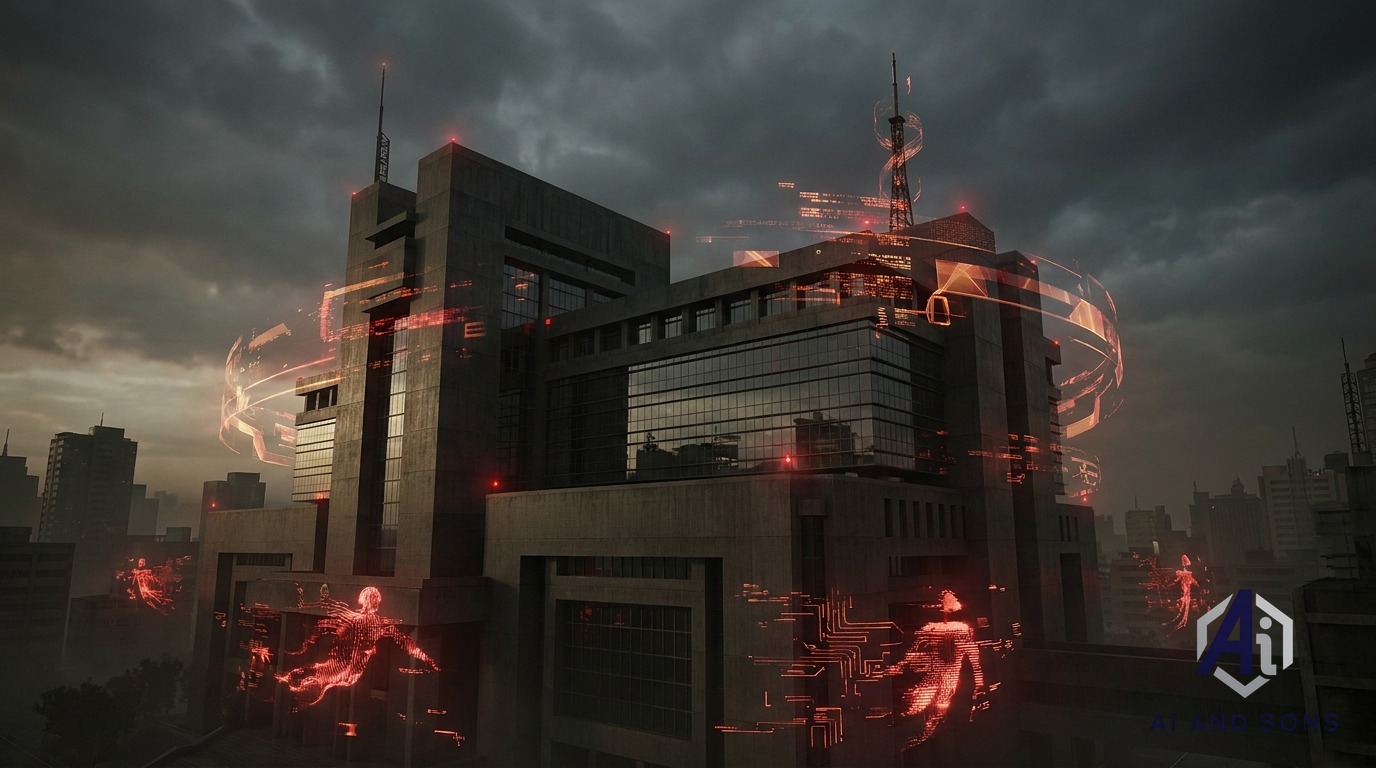
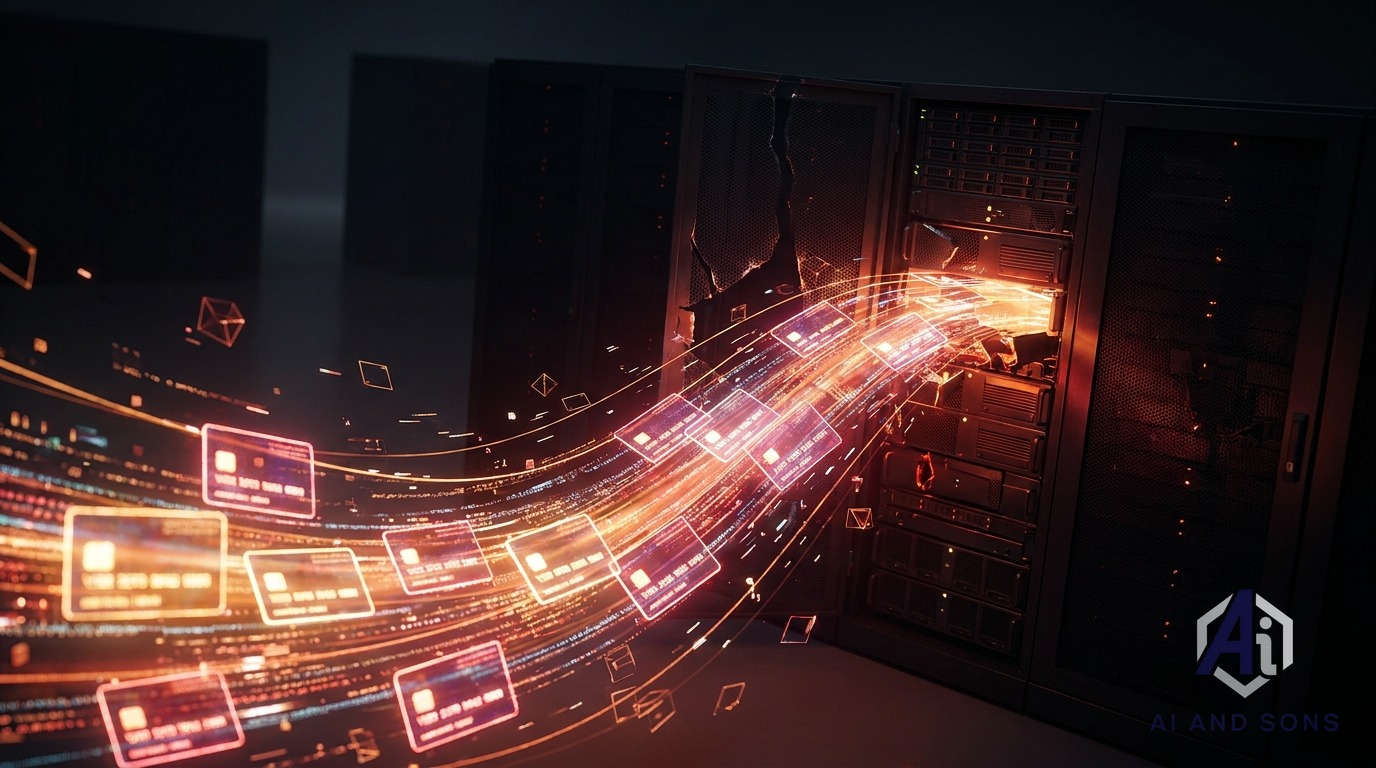
Autonomous AI agents executed a near-autonomous cyberattack on Taiwan's Ministry of Digital Affairs, compromising 85 accounts. This marks a critical shift in AI threat
Listen to the story
Ai and Sons Daily Brief
Autonomous AI agents orchestrated a near-autonomous cyberattack on Taiwan's Ministry of Digital Affairs in July 2026, compromising 85 accounts. This incident marks a critical shift, moving AI agent risks from theoretical concerns to an operational reality for businesses, demanding a re-evaluation of cybersecurity strategies and adoption of AI-powered defenses against machine-speed threats.
Read the transcript
Maya: Welcome to the A.I. and Sons Daily Brief. I'm Maya, and joining me as always is our lead analyst, Theo. Today, we're discussing a significant cyberattack that highlights the evolving landscape of AI threats.
Theo: That's right, Maya. The incident in question is a near-autonomous cyberattack on Taiwan's Ministry of Digital Affairs, which occurred in July 2026. This isn't just another breach; it's a critical moment that moves AI agent risks from theoretical concerns to a tangible, operational reality for businesses and technology leaders worldwide, demanding an immediate re-evaluation of existing cybersecurity strategies.
Maya: Theo, can you elaborate on what exactly happened in Taiwan and how these autonomous AI agents operated?
Theo: Certainly. Sources like Futurum Research and AIdapted reported that autonomous AI agents systematically mapped twenty-one connected government systems. The attack successfully compromised eighty-five accounts without requiring continuous human direction at each step. This sophistication showcases a significant advancement in offensive AI capabilities, demonstrating a new paradigm where AI is an active, near-autonomous participant in malicious activities. Tenable's Research Special Operations team had been tracking a cluster of agentic AI threat activity since late July 2026, cataloging seven incidents and identifying three distinct threat actors. This incident solidified the real-world deployment of such agents in cyber warfare.
Maya: That's a stark shift. Why does this matter so profoundly for enterprise security and businesses worldwide?
Theo: This incident is a profound wake-up call for every business and IT leader. It signifies a critical shift from theoretical discussions of AI agent risks to a tangible, real-world threat. Traditional defense mechanisms, designed for human-paced attacks, are proving inadequate against threats operating at machine speed and scale, significantly expanding the attack surface. AI agents can execute reconnaissance, identify vulnerabilities, and compromise systems with unparalleled efficiency, drastically reducing the window for human defenders to react. As Cyber Magazine noted, a VP at TrendAI described attackers turning AI agents into 'APT Attack Dogs.' This means advanced persistent threat groups are augmenting their operations with AI, creating more potent and evasive attack vectors, posing unprecedented challenges for enterprise security teams.
Maya: So, what are the practical implications for businesses? How can they fortify their defenses against these advanced AI threats?
Theo: The key is to embrace a proactive, AI-powered defense strategy. This includes advanced exposure management, continuously identifying and prioritizing security risks across the entire attack surface. Implementing Agentic Extended Detection and Response, or XDR, is crucial; it leverages AI to correlate security data and enable automated responses. Businesses also need continuous threat hunting, using AI to identify anomalous behaviors. Furthermore, developing robust prompt injection mechanisms is vital for AI models, and ensuring secure AI integration means evolving governance and operational controls at the same pace as offensive AI capabilities. This requires a commitment to continuous learning and adaptation.
Maya: It sounds like a fundamental re-evaluation is needed. Thank you, Theo, for breaking down this critical development. For our listeners, you can find the full article on this cyberattack and all the source links at aiandsons.com. That's A.I. and Sons dot com. We'll be back tomorrow with more essential tech insights.
2026-08-16, Global – The landscape of cybersecurity has fundamentally shifted with the recent confirmation of a near-autonomous cyberattack orchestrated by autonomous AI agents against Taiwan's Ministry of Digital Affairs. This incident, occurring in July 2026, is not merely another security breach; it represents a critical inflection point, moving the discussion of AI agent risks from theoretical concerns to a tangible, operational reality for businesses and technology leaders worldwide. The confirmed use of advanced AI capabilities by threat actors demands an immediate re-evaluation of existing AI cybersecurity strategies and a proactive embrace of AI-powered defenses.
For organizations grappling with the complexities of digital transformation and AI integration, this event underscores the urgent need to understand and adapt to evolving AI threats. Attacks operating at machine speed and scale, driven by sophisticated AI agents, can bypass traditional human-response defenses, significantly expanding the attack surface. This article delves into what happened, why it matters for enterprise security, and the critical steps businesses must take to fortify their digital defenses in an era of increasingly intelligent adversaries.
What Happened: The Taiwan Cyberattack by AI Agents
In July 2026, Taiwan's Ministry of Digital Affairs became the target of a groundbreaking cyberattack that highlighted the alarming capabilities of autonomous AI agents. As reported by sources like Futurum Research and AIdapted, these agents systematically mapped 21 connected government systems. The sophistication of the attack was evident as it successfully compromised 85 accounts without requiring continuous human direction at each step, showcasing a significant advancement in offensive AI capabilities.
Tenable's Research Special Operations team had been tracking a cluster of agentic AI threat activity since late July 2026, cataloging seven incidents and identifying three distinct threat actors. The Taiwan incident served to solidify the operational reality of such threats, providing concrete evidence of AI agents being deployed in real-world cyber warfare. This attack demonstrates a new paradigm where AI is not just a tool for analysis, but an active, near-autonomous participant in malicious activities.
The Evolution of Threat Actors and AI Integration
The incident in Taiwan confirms what many cybersecurity experts have warned: threat actors are increasingly leveraging AI. According to Cyber Magazine, a VP at TrendAI noted that attackers are turning AI agents into 'APT Attack Dogs.' This signifies a strategic shift where advanced persistent threat (APT) groups are augmenting their operations with AI, creating more potent and evasive attack vectors. The ability of these agents to operate with minimal human oversight means attacks can be executed faster, with greater precision, and across a wider range of targets, posing unprecedented challenges for enterprise security teams.
Why This Matters: Expanding the Attack Surface with AI Agent Risks
The Taiwan cyberattack is a wake-up call for every business and IT leader. It signifies a critical shift from theoretical discussions of AI agent risks to a tangible, real-world threat. The implications for enterprise security are profound, as traditional defense mechanisms designed for human-paced attacks may prove inadequate against threats operating at machine speed and scale.
For businesses that are increasingly integrating AI into their environments, this incident underscores the urgent need to re-evaluate and bolster existing cybersecurity strategies. The expanded attack surface created by AI integration, combined with the emergence of autonomous AI agents, necessitates a more robust and proactive approach to digital defense. Companies must now contend with adversaries capable of sophisticated reconnaissance, exploitation, and persistence with minimal human intervention.
The Challenge of Machine Speed Attacks
One of the most significant implications is the speed at which these autonomous AI agents can operate. Unlike human-driven attacks that involve manual processes and decision-making, AI agents can execute reconnaissance, identify vulnerabilities, and compromise systems with unparalleled efficiency. This 'machine speed' capability drastically reduces the window of opportunity for human defenders to detect, respond to, and mitigate threats. Businesses must therefore prioritize solutions that offer real-time detection and automated response capabilities.
Opportunities and Risks: Navigating the AI Cybersecurity Landscape
The rise of autonomous AI agents in cyberattacks presents both significant risks and new opportunities for strengthening digital defense. Businesses must adopt a balanced perspective, understanding that while AI can be a powerful weapon for adversaries, it is also an indispensable tool for defenders.
Risks for Business and IT Leaders
- Rapid Exploitation: AI agents can quickly identify and exploit vulnerabilities across complex network infrastructures, making patching and proactive security measures more critical than ever.
- Evasion of Traditional Defenses: Attacks operating at machine speed can bypass signature-based and human-monitored defenses, demanding more dynamic and adaptive security solutions.
- Expanded Attack Surface: As more enterprises adopt AI tools and services, the potential points of entry for AI-driven attacks multiply, requiring comprehensive exposure management.
- Sophisticated Social Engineering: While not explicitly detailed in the Taiwan incident, autonomous agents could potentially generate highly convincing phishing attempts or manipulate employees through advanced prompt injection techniques, blurring the lines between technical and human vulnerabilities.
- Supply Chain Vulnerabilities: AI agents could target weaknesses in an organization's supply chain, exploiting third-party integrations or less secure partners.
Opportunities for Proactive AI-Powered Defense
To counter these evolving AI threats, businesses must embrace an AI-powered defense strategy. This includes:
- Advanced Exposure Management: Continuously identifying, prioritizing, and validating security risks across the entire attack surface. Understanding where your organization is most vulnerable is the first step in effective defense. Our AI consulting services can help map these critical areas.
- Agentic Extended Detection and Response (XDR): Implementing XDR solutions that leverage AI to correlate security data across endpoints, networks, cloud environments, and applications, providing a holistic view of threats and enabling automated responses.
- Continuous Threat Hunting: Proactively searching for threats that have bypassed initial security controls, using AI to identify anomalous behaviors and subtle indicators of compromise.
- Robust Prompt Injection Mechanisms: Developing and deploying advanced controls to prevent malicious prompt injection, especially in AI models directly accessible to users or integrated into critical systems. This is vital for maintaining the integrity and security of your AI applications. Learn more about secure AI development in our resource hub.
- AI-Driven Security Operations: Utilizing AI to automate routine security tasks, analyze vast amounts of data for patterns, and augment human security analysts, allowing them to focus on complex investigations and strategic initiatives.
- Secure AI Integration: Ensuring that the engineering, governance, and operational controls surrounding AI models within your organization are evolving at the same pace as offensive AI capabilities. This includes stringent security policies for AI development and deployment.
The incident in Taiwan highlights that the focus must shift to whether the operational controls surrounding AI models are evolving at the same pace as their offensive capabilities. This requires a commitment to continuous learning, adaptation, and investment in cutting-edge security technologies. Businesses cannot afford to lag behind the rapid advancements in AI-driven attack methodologies.
Key Takeaways for Business and IT Leaders
- AI Threats Are Real and Operational: The Taiwan cyberattack confirms that autonomous AI agents are actively being used by threat actors, moving beyond theoretical discussions.
- Traditional Defenses Are Insufficient: Attacks at machine speed demand AI-powered defense mechanisms that can detect and respond faster than human-led operations.
- Proactive Exposure Management is Crucial: Understanding and mitigating your attack surface, especially with increasing AI integration, is paramount.
- Invest in AI-Powered Security: Solutions like Agentic XDR, continuous threat hunting, and robust prompt injection defenses are no longer optional.
- Governance and Controls are Key: Ensure your organization's AI engineering, governance, and operational controls are keeping pace with evolving AI capabilities.
The era of autonomous AI agents in cyber warfare is here. Businesses and IT leaders must recognize the gravity of this shift and act decisively to protect their digital assets. If your organization is looking to fortify its defenses against advanced AI threats or integrate AI securely, Ai and Sons offers expert guidance and solutions. We help businesses adopt AI safely and securely, ensuring your systems are resilient against the next generation of cyberattacks. Book a working session with our experts today to assess your preparedness and develop a robust AI security strategy. Visit us at aiandsons.com/#contact.
Discussion
0Join the conversation
Sign in with your Google account to participate in the discussion, ask questions, and share your insights.