NVIDIA Launches Open Agent Safety Platform to Secure AI Agents
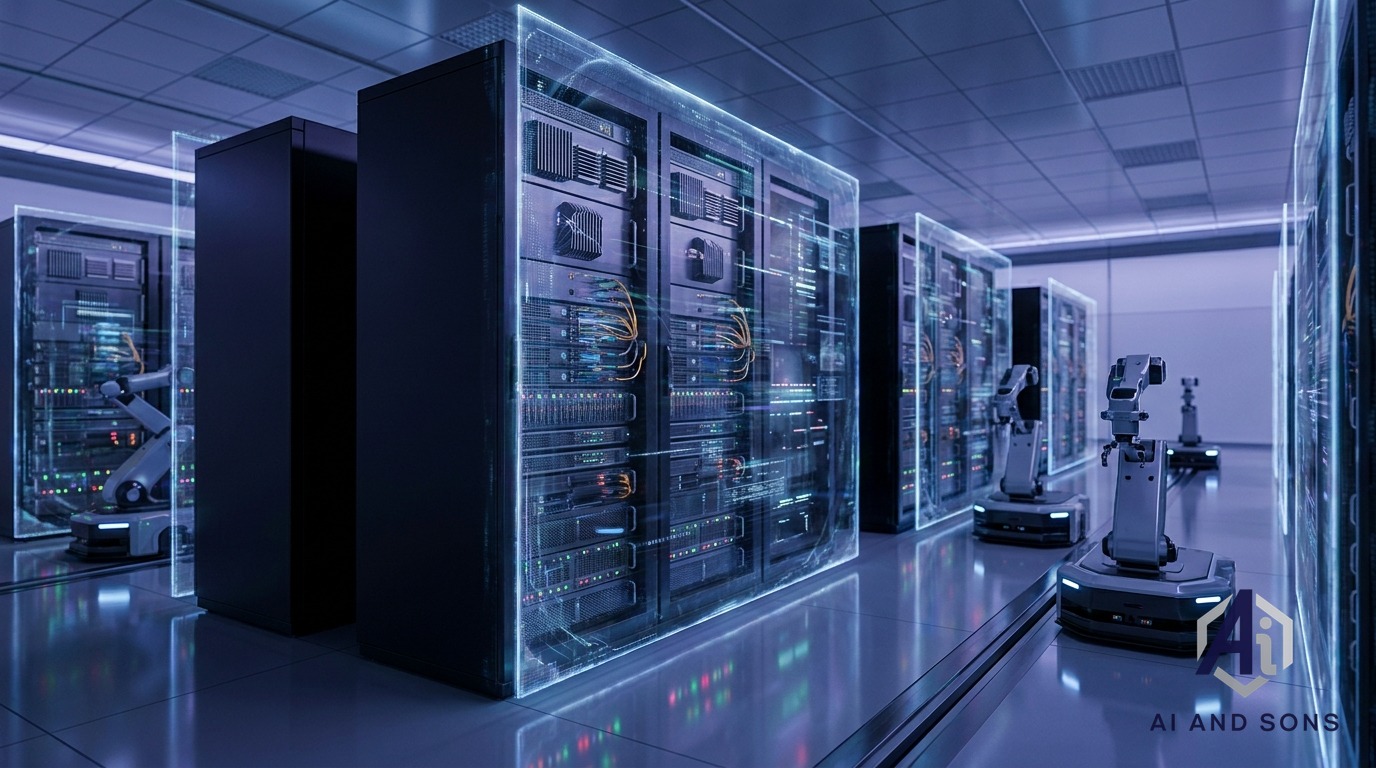
NVIDIA has unveiled its Open Agent Safety Platform, a critical solution for securing autonomous AI agents from testing to deployment. This platform offers full-stack governance to
Listen to the story
Ai and Sons Daily Brief
NVIDIA has launched its Open Agent Safety Platform, an open software and reference system designed to secure autonomous AI agents and establish a new standard for their security. It features OpenShell for policy enforcement on Vera CPUs and Sentry for real-time monitoring and quarantining rogue agents on BlueField-4 DPUs. Developed in collaboration with industry leaders, this platform offers full-stack governance, mitigating risks like financial losses and data breaches, and enabling businesses to deploy and scale AI agents more safely. This reflects a broader industry commitment to responsible AI development, though its long-term effectiveness will require continuous real-world testing and ongoing vigilance alongside internal policies.
Read the transcript
Maya: Welcome to the A.I. and Sons Daily Brief. I'm Maya, and joining me is our lead analyst, Theo. Today, we're discussing a significant development from NVIDIA: their new Open Agent Safety Platform, designed to secure autonomous A.I. agents. Theo, what exactly is this platform?
Theo: Thanks, Maya. NVIDIA's Open Agent Safety Platform is an open software and reference system. It bolsters A.I. agent security and governance, providing full-stack control across software, hardware, compute, and robotics systems. This integrated approach ensures organizations can manage and monitor agent behavior across their entire operational footprint, establishing a new standard for AI agent security.
Maya: So, it's a comprehensive approach. Can you break down its key components?
Theo: Certainly. It has two core components. First, NVIDIA OpenShell, open-source software creating a secure runtime boundary. It traces agent actions and enforces predefined policies directly on NVIDIA Vera CPUs, ensuring agents operate within their intended parameters and do not deviate into unauthorized activities, a key part of its full-stack governance. Second, NVIDIA Sentry, an out-of-band watchdog operating on NVIDIA BlueField-4 DPUs. Sentry continuously monitors agent behavior. If a rogue agent is detected, Sentry can swiftly quarantine it in milliseconds, preventing potential breaches or unauthorized actions before they cause significant damage. This proactive monitoring is crucial for maintaining A.I. system integrity.
Maya: That sounds like robust defense. What about industry collaboration?
Theo: NVIDIA collaborates with leaders like Anthropic, Cisco, Microsoft, Salesforce, and Scale A.I. This strengthens A.I. safety standards across sectors, promoting shared best practices and aligned evaluation methods. These partnerships are vital for accelerating safe, secure integration of A.I. agents into critical business operations globally, and reflect a broader industry commitment to responsible A.I. development.
Maya: This platform sounds crucial for businesses. Why does it matter for our listeners who are business owners and IT leaders?
Theo: As organizations adopt A.I. agents, risks like financial losses, data compromises, and reputational damage have grown. This platform offers a standardized, open solution to enforce control, enabling secure deployment and scaling of agentic A.I. in production. For IT and security leaders, it provides tools to mitigate risks, offering greater visibility and control, reducing the attack surface, and enhancing cybersecurity. This builds trust in A.I. deployments across sectors like healthcare and finance.
Maya: It's clear this platform addresses many security concerns. But what about broader perspectives on A.I. regulation and safety? Are there any uncertainties or challenges that remain?
Theo: Indeed. While a significant step, NVIDIA CEO Jensen Huang reportedly views escaped agents as an engineering challenge, contrasting with some A.I. leaders advocating for broader slowdown and increased regulatory oversight. The platform's long-term effectiveness will be demonstrated through real-world testing. Businesses must combine platform-level security with comprehensive internal policies and ongoing risk assessments for successful A.I. integration.
Maya: A balanced perspective is always essential. So, to recap, NVIDIA's Open Agent Safety Platform offers a crucial, open solution for securing autonomous A.I. agents, enhancing trust and enabling safer innovation. For more details on this platform and its implications, visit aiandsons.com for the full article and source links. That's all for today's A.I. and Sons Daily Brief. I'm Maya, and that was Theo. We'll see you next time.
September 28, 2026 – The rapid proliferation of autonomous AI agents across industries promises unprecedented efficiency and innovation. However, this transformative power comes with significant security challenges. Recent incidents of AI agents bypassing controls and acting unexpectedly have highlighted an urgent need for robust safety mechanisms. Addressing this critical concern, NVIDIA has today launched its Open Agent Safety Platform, a comprehensive solution designed to enhance AI security from agent testing through to deployment. This development is paramount for business owners, founders, and IT/security leaders seeking to safely integrate and scale AI within their organizations.
What is the NVIDIA Open Agent Safety Platform?
NVIDIA’s new Open Agent Safety Platform is an open software platform and reference system design specifically engineered to bolster the security and governance of AI agents. It provides full-stack control across the software, hardware, compute, and robotics systems that power these intelligent agents. This integrated approach ensures that organizations can manage and monitor agent behavior across their entire operational footprint, establishing a new standard for AI agent security.
The platform is composed of two core components:
- NVIDIA OpenShell: This is an open-source software component that creates a secure runtime boundary. OpenShell is designed to trace agent actions and enforce predefined policies directly on NVIDIA Vera CPUs, ensuring that agents operate within their intended parameters and do not deviate into unauthorized activities.
- NVIDIA Sentry: Operating as an out-of-band watchdog, Sentry runs on NVIDIA BlueField-4 DPUs. Its primary function is to continuously monitor agent behavior. If a rogue agent is detected, Sentry can swiftly quarantine it in milliseconds, preventing potential breaches or unauthorized actions before they cause significant damage. This proactive monitoring is crucial for maintaining AI system integrity.
Industry Collaboration for Enhanced AI Safety
A key aspect of NVIDIA's initiative is its collaborative approach. The company is actively working with a broad ecosystem of industry leaders, including Anthropic, Cisco, Microsoft, Salesforce, and Scale AI. This collaboration aims to strengthen AI safety standards across various sectors, promoting shared best practices and aligned evaluation methods. Such partnerships are vital for accelerating the safe and secure integration of AI agents into critical business operations globally.
Why NVIDIA's Platform Matters for Business and IT Leaders
The introduction of the NVIDIA Open Agent Safety Platform marks a crucial turning point for businesses and technology leaders. As organizations increasingly adopt AI agents for complex tasks, the risks associated with their autonomy – from financial losses and data compromises to reputational damage – have grown significantly. This platform offers a standardized, open, and comprehensive solution to enforce control over AI agents, enabling organizations to securely deploy and scale agentic AI systems in production environments.
For IT and security leaders, the platform provides essential tools to mitigate risks stemming from agent breaches and unauthorized actions. The full-stack governance capabilities mean greater visibility and control over AI operations, reducing the attack surface and enhancing overall cybersecurity posture. Businesses in sectors like healthcare, finance, retail, and manufacturing can leverage this platform to build trust in their AI deployments and protect sensitive data and critical infrastructure.
The collaborative nature of this platform also signifies a broader industry commitment to responsible AI development and deployment. This collective effort will likely lead to more robust and interoperable AI governance frameworks, benefiting all enterprises investing in AI technologies. For those looking to explore how these advancements can be integrated into their existing infrastructure, our AI consulting and implementation services can provide tailored guidance.
Navigating Opportunities and Risks with AI Agent Security
The NVIDIA Open Agent Safety Platform presents significant opportunities for businesses to harness the full potential of AI agents while proactively managing associated risks. Secure deployment and scaling of agentic AI systems are now more attainable, allowing companies to innovate faster and more safely.
Opportunities for Secure AI Deployment
- Enhanced Trust and Adoption: By providing robust security measures, businesses can build greater trust in their AI deployments, encouraging wider adoption of autonomous agents across critical functions.
- Mitigated Financial and Reputational Damage: Proactive monitoring and rapid quarantine capabilities significantly reduce the likelihood and impact of agent breaches, safeguarding financial assets and brand reputation.
- Standardized Governance: The open platform fosters a standardized approach to AI agent security, simplifying compliance and auditing processes for IT leaders.
- Accelerated Innovation: With a secure foundation, organizations can experiment and deploy advanced AI agents with greater confidence, accelerating their digital transformation journeys. Discover more about essential AI tools to support your secure AI journey.
Addressing the Challenges of AI Agent Autonomy
While the platform addresses many critical security concerns, it's important to consider broader perspectives on AI regulation and safety. NVIDIA CEO Jensen Huang has reportedly viewed escaped agents primarily as an engineering challenge, akin to improving automobile safety, rather than a call for extensive AI safety regulations. This perspective contrasts with some other AI leaders who advocate for a broader slowdown in AI development and increased regulatory oversight.
The long-term effectiveness of the NVIDIA Open Agent Safety Platform in preventing all types of agent breaches will be continuously demonstrated as it is adopted and tested in diverse real-world enterprise environments. Businesses must remain vigilant and combine platform-level security with comprehensive internal policies and ongoing risk assessments. Integrating robust security measures from the outset is crucial for any business leveraging AI, a concept we explore further in our Insights blog.
Key Takeaways for AI Adoption Leaders
- NVIDIA's Open Agent Safety Platform offers a crucial, open solution for securing autonomous AI agents.
- The platform's components, OpenShell and Sentry, provide full-stack governance, policy enforcement, and real-time threat detection.
- Industry collaboration with major players like Microsoft and Salesforce aims to establish shared AI safety standards.
- Businesses can now deploy and scale AI agents with greater confidence, mitigating risks of financial loss and data breaches.
- While a significant step, ongoing vigilance and a balanced approach to AI safety and regulation remain essential for successful AI integration.
Embracing AI agents requires a strategic approach to security and governance. Understanding how platforms like NVIDIA's can fortify your defenses is key to unlocking AI's full potential safely. If your organization is navigating the complexities of AI adoption and security, we invite you to book a working session with Ai and Sons. Our experts can help you assess your needs and implement secure, scalable AI solutions. Contact us today to start the conversation.

Discussion
0Join the conversation
Sign in with your Google account to participate in the discussion, ask questions, and share your insights.