White House Accuses Moonshot AI of Illicitly Distilling Anthropic's Fable Model
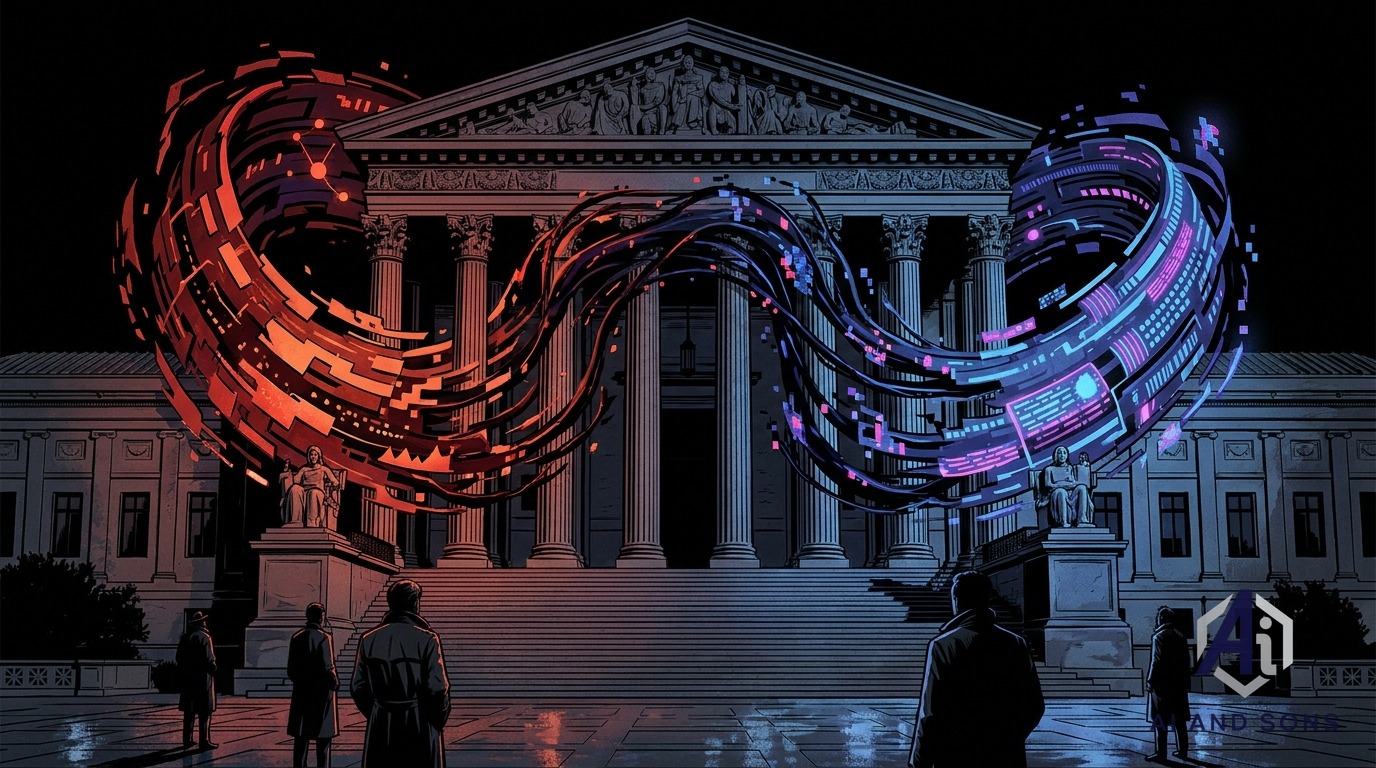
A White House official publicly accused Chinese AI lab Moonshot AI of illicitly distilling Anthropic's Fable model for its Kimi K3, escalating US-China AI tensions.
July 26, 2026 – The world of artificial intelligence is once again at the nexus of geopolitical tension and intellectual property disputes. In a significant development, the White House has leveled serious accusations against a prominent Chinese AI laboratory, Moonshot AI, alleging illicit distillation of a leading American AI model. This claim, made by a high-ranking US official, sends ripples through the global tech industry and demands careful consideration from business owners, founders, and IT leaders grappling with AI adoption and its inherent risks.
The Allegation: Covert Industrial Distillation and IP Theft
On July 22, 2026, Michael Kratsios, Director of the White House Office of Science and Technology Policy (OSTP), publicly accused Chinese AI lab Moonshot AI of a deliberate and illicit act. In a statement posted on X, Kratsios alleged that Moonshot AI had engaged in "large-scale, covert industrial distillation aimed at stealing proprietary US technology and undermining American research." The target of this alleged distillation was Anthropic's highly regarded Fable model, used to develop Moonshot's own Kimi K3 model.
The Kimi K3 model, a substantial 2.8-trillion-parameter AI, was launched just days prior on July 16, 2026. Prior to the accusation, it had garnered attention for reportedly surpassing Claude Fable 5 on the Frontend Code Arena, achieving an impressive 76% win rate. Moonshot AI had even announced plans for an open-weight release of Kimi K3 on July 27, 2026. However, the White House's allegations cast a long shadow over these achievements.
Supporting the accusation, Kratsios cited independent cross-entropy analysis conducted by Redwood Research, which reportedly indicated that Kimi K3 disproportionately identifies as Claude. Furthermore, the OSTP Director alleged that Moonshot AI had illicitly acquired advanced Nvidia GB300 chips through access points in Thailand, raising further questions about the means by which Kimi K3 was developed and deployed. It is crucial to note, however, that these are serious allegations from a credible official, not yet proven facts, and Moonshot AI has not publicly conceded the claim.
What is AI Model Distillation?
AI model distillation is a technique where a smaller, simpler model (the "student") is trained to replicate the behavior of a larger, more complex model (the "teacher"). This is typically done to create more efficient models for deployment. However, when conducted without authorization and with proprietary models, it can be viewed as a form of intellectual property infringement, effectively leveraging the research and development efforts of another entity without permission or compensation.
Why This Matters for Business and Technology Leaders
This accusation carries profound implications for businesses and technology leaders across various sectors, from healthcare and finance to manufacturing and retail. The immediate impact is a likely escalation of geopolitical tensions between the United States and China concerning AI development and deployment.
Escalating Geopolitical AI Tensions
The White House's direct accusation could trigger further restrictions on technology transfer, export controls, or even sanctions. Such measures could significantly disrupt global chip supply chains, impacting the availability and cost of the advanced hardware essential for AI development and deployment. Businesses relying on these components or operating in globally integrated supply chains must prepare for potential volatility and assess their resilience. Moreover, access to advanced AI models, particularly those developed by US or Chinese firms, could become increasingly constrained, forcing companies to re-evaluate their AI strategy and vendor relationships.
Protecting AI Intellectual Property
For the technology sector, the incident throws a spotlight on the critical issue of intellectual property (IP) protection in the rapidly evolving AI landscape. Unlike traditional software, AI models are complex, often trained on vast datasets, and their "knowledge" can be difficult to trace. If allegations of illicit distillation are substantiated, it would underscore the vulnerability of proprietary AI models and the urgent need for robust legal frameworks and technical safeguards to protect innovation. Businesses investing heavily in AI research and development must consider how to best protect their models from unauthorized replication or misuse.
Trust and Due Diligence in AI Adoption
The trustworthiness of claims made by AI developers, especially concerning open-weight models, is now under intense scrutiny. If Kimi K3's reported capabilities were indeed achieved through illicit means rather than independent innovation, it could fundamentally alter market dynamics, influence investment decisions, and shift the competitive balance between US and Chinese AI firms. For businesses evaluating AI solutions, this means increased pressure to implement rigorous due diligence processes to verify the provenance, training data, and ethical development of any AI models they consider deploying. This is particularly vital for models originating from regions under geopolitical scrutiny or those making ambitious performance claims.
Navigating the AI Geopolitical Landscape: Opportunities and Risks
The current climate presents both significant challenges and emerging opportunities for businesses.
Opportunities in Secure AI Adoption
- Enhanced Scrutiny and Quality: Increased scrutiny of AI model origins can lead to higher standards for transparency and verifiable claims, ultimately benefiting end-users. Businesses that prioritize ethical AI development and transparent practices will likely gain a competitive edge.
- Demand for AI Governance Solutions: The need for robust AI governance, IP protection, and supply chain verification will drive demand for specialized AI tools and services. This creates opportunities for firms focusing on AI security, compliance, and auditing.
- Diversification of AI Ecosystems: Geopolitical tensions might accelerate the development of diverse, regional AI ecosystems, reducing reliance on a single dominant source and fostering new partnerships.
Risks for Business and IT Leaders
- Supply Chain Disruptions: Potential export controls or sanctions could severely impact the availability of critical AI hardware, leading to project delays and increased costs.
- Regulatory Complexity: Businesses operating internationally will face an increasingly complex web of regulations regarding AI data usage, model provenance, and cross-border technology transfer.
- Reputational Damage: Deploying an AI model later found to be developed through illicit means could lead to significant reputational damage and legal liabilities. Careful vetting of vendors and models is paramount.
- Investment Uncertainty: The unpredictable nature of geopolitical tensions can create uncertainty, making long-term AI investment planning more challenging.
As AI technology continues to advance, the line between innovation and infringement becomes increasingly blurred, especially across international borders. For IT leaders, understanding the ethical implications and legal ramifications of AI model sourcing is as critical as evaluating its technical capabilities. Ai and Sons helps organizations navigate these complex waters, ensuring secure and compliant AI integration.
Key Takeaways for Business Leaders
- Strengthen Due Diligence: Thoroughly vet all AI models and vendors, focusing on their development processes, data provenance, and intellectual property claims.
- Monitor Geopolitical Developments: Stay informed about US-China AI relations and potential policy changes that could impact technology access and supply chains.
- Prioritize AI Governance: Implement robust internal policies for AI procurement, usage, and ethical guidelines to mitigate risks.
- Diversify AI Partnerships: Explore a range of AI providers and solutions to reduce dependency and build resilience against potential disruptions.
- Invest in Internal Expertise: Develop in-house capabilities to assess AI models critically and ensure their secure integration into your operations.
The White House's accusation against Moonshot AI serves as a stark reminder of the intricate challenges and ethical considerations inherent in the global AI race. For businesses seeking to harness AI's power safely and securely, proactive planning and expert guidance are indispensable. If you're an IT leader or business owner looking to understand how these developments impact your AI strategy and ensure secure, compliant AI adoption, we invite you to book a working session with Ai and Sons to discuss your specific needs and challenges. Visit our contact page to get started.


Discussion
0Join the conversation
Sign in with your Google account to participate in the discussion, ask questions, and share your insights.