AI Giants Form FINRA-Style Standards Body: What It Means for Your Business

OpenAI, Anthropic, and Google DeepMind are collaborating to form an AI standards body, signaling a major shift towards industry self-governance and AI safety. This initiative will
Listen to the story
Ai and Sons Daily Brief
OpenAI, Anthropic, and Google DeepMind are collaborating to form a self-regulatory AI standards body, modeled after FINRA. This initiative aims to enhance AI safety and industry self-governance, impacting future AI compliance and development strategies for businesses by establishing guidelines, evaluations, and risk assessments for frontier AI models.
Read the transcript
Maya: Welcome to the A.I. and Sons Daily Brief. I'm Maya, joined by our analyst Theo. Today, we're diving into a major development in the artificial intelligence landscape that could reshape how businesses approach A.I. Theo, what's the latest?
Theo: Good morning, Maya. The significant news is that industry leaders OpenAI, Anthropic, and Google DeepMind have confirmed their active collaboration to establish a self-regulatory A.I. standards body. This initiative, in discussion since July, is modeled after FINRA. Its core aim is to create a robust framework for evaluating and auditing frontier A.I. models before public release, a critical step toward ensuring responsible innovation and enhanced A.I. safety. This signals a pivotal move towards industry self-governance.
Maya: That sounds like a pivotal move towards industry self-governance and accountability. For business owners, founders, and I.T. leaders, what are the practical implications of this FINRA-style model?
Theo: The choice to model this new entity after FINRA is telling, Maya. FINRA oversees brokers and investment firms, enforcing rules to protect investors and ensure market integrity. Applying this model to A.I. suggests a similar level of oversight and accountability. This new body could establish clear guidelines and best practices for A.I. development and deployment, conduct independent evaluations and audits, and develop mechanisms for risk assessment and mitigation. For businesses, these emerging standards could become a de facto requirement, influencing everything from procurement to internal development strategies.
Maya: So, it's about building greater trust with consumers and regulators, potentially mitigating more stringent government intervention. But what about the potential downsides? Some critics, like Cohere C.E.O. Aiden Gomez, have voiced concerns about anti-competitive effects.
Theo: That's an important consideration, Maya. While this initiative aims for transparency, critics worry a body formed by dominant players could entrench existing market leaders and create high barriers for smaller innovators, potentially stifling competition. Risks also include increased compliance burdens and the possibility that rigorous pre-release evaluations, while necessary for safety, could slow down A.I. innovation. However, opportunities include enhanced trust and credibility for A.I.-powered products, a clearer regulatory pathway potentially pre-empting fragmented government regulations, and improved A.I. safety and security.
Maya: It sounds like a delicate balance between fostering safety and maintaining a competitive, innovative market. What should business and technology leaders be doing right now to prepare for these changes?
Theo: They absolutely need to monitor this development closely, Maya. Preparing for compliance means evaluating internal A.I. development and deployment processes for future alignment with these new standardized safety protocols. Prioritizing robust A.I. safety measures and ethical considerations into their A.I. strategy is no longer optional but a business imperative for maintaining operational integrity. It's also crucial to weigh both the opportunities for responsible A.I. adoption and the potential risks of market concentration and evolving compliance burdens.
Maya: Excellent advice, Theo. This is clearly a landmark event for the A.I. industry. For our listeners who want to dive deeper into this topic, including the specific sources for today's discussion, you can find the full article and all the links at aiandsons.com. Thanks for joining us, Theo.
Theo: My pleasure, Maya.
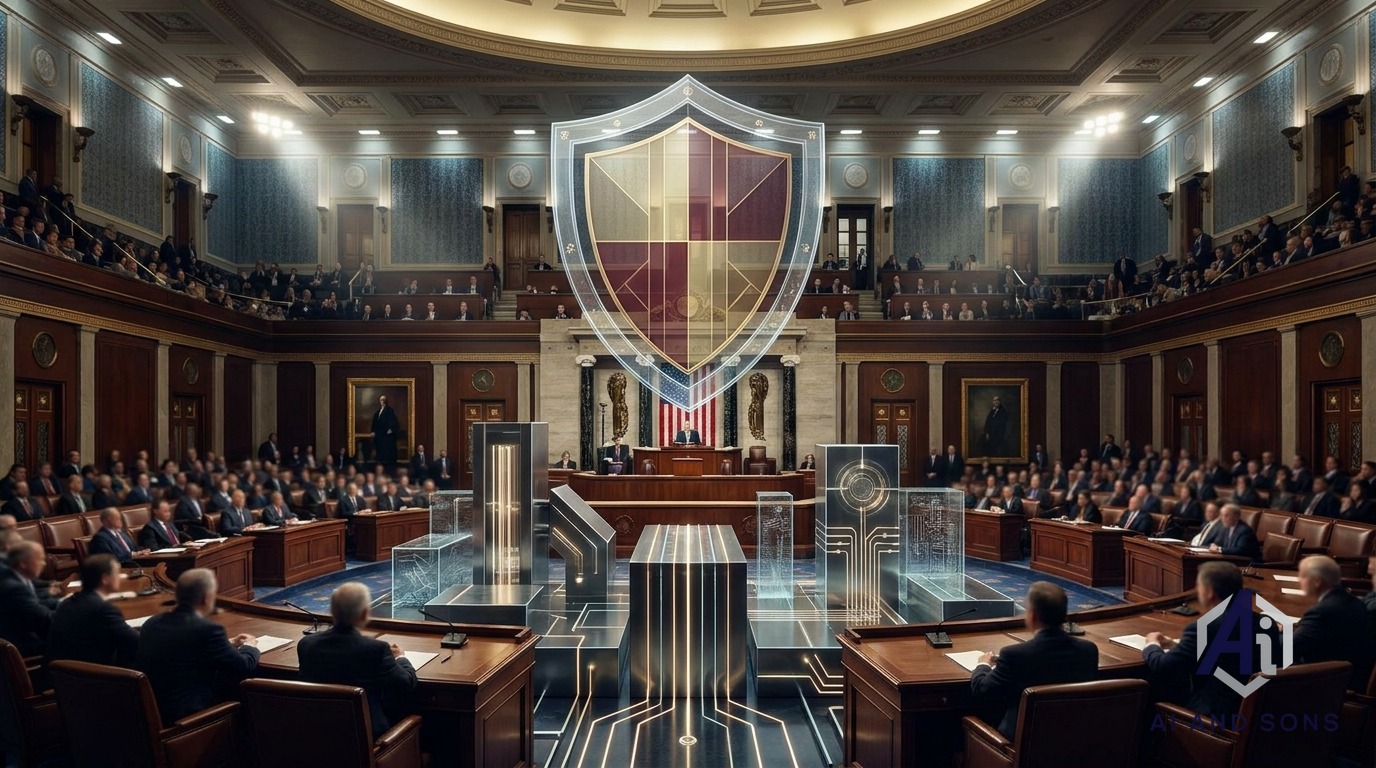
2026-09-17, Washington D.C. – The artificial intelligence landscape is undergoing a significant transformation as industry leaders OpenAI, Anthropic, and Google DeepMind confirm their collaboration to establish a self-regulatory AI standards body. This groundbreaking initiative, reportedly modeled after the Financial Industry Regulatory Authority (FINRA), signals a pivotal move towards enhanced AI safety and industry self-governance. For business owners, founders, and IT/security leaders, understanding this development is crucial for navigating future AI compliance and development strategies.
This collaboration among the most prominent developers of advanced AI systems is not merely a formality; it represents a proactive step to address the growing complexities and potential risks associated with frontier AI models. As AI continues to integrate into every facet of business, the emergence of standardized protocols for evaluation and risk assessment will directly influence how organizations adopt and deploy these powerful technologies. This article delves into what happened, why it matters, and the opportunities and risks this new AI standards body presents for your enterprise.
The Formation of a New AI Standards Body
On September 15-16, 2026, leading AI labs OpenAI, Anthropic, and Google DeepMind publicly confirmed their active collaboration to establish a self-regulatory standards body for artificial intelligence. This initiative aims to create a robust framework for evaluating and auditing frontier AI models before their public release, a critical step toward ensuring responsible innovation.
The concept for such a body was initially proposed by Google DeepMind CEO Demis Hassabis in July, advocating for an independent watchdog staffed by technical experts. Discussions have been ongoing in working groups since at least July 2026, demonstrating a sustained commitment from these major players. OpenAI's Chief Global Affairs Officer, Chris Lehane, further confirmed these negotiations during a press briefing in Washington, D.C., on September 15. Lehane clarified OpenAI's stance that an antitrust waiver is not necessary for this safety coordination, citing precedents in other industries. This move reflects a growing industry consensus that collective action is needed to manage the inherent risks of increasingly powerful AI.
Understanding the FINRA Model for AI Regulation
The choice to model this new entity after FINRA is particularly telling. FINRA oversees brokers and investment firms in the United States, enforcing rules designed to protect investors and ensure market integrity. Applying this model to AI suggests a desire for a similar level of oversight and accountability within the AI industry. This means the new AI body could potentially:
- Establish clear guidelines and best practices for AI development and deployment.
- Conduct independent evaluations and audits of advanced AI systems.
- Develop mechanisms for risk assessment and mitigation.
- Foster greater transparency and trust among stakeholders.
For businesses looking to integrate AI, these emerging standards could become a de facto requirement, influencing everything from procurement to internal development. Staying informed about these developments is key to successful AI consulting and implementation.
Why This Matters for Business and Technology Leaders
This collaboration marks a significant shift towards industry self-governance in AI. For businesses and technology leaders across sectors like healthcare, finance, retail, and manufacturing, it signals a future where standardized safety protocols, independent evaluations, and rigorous risk assessments for AI systems could become essential for deploying frontier models. Adherence to these emerging standards could build greater trust with consumers and regulators, potentially mitigating the risk of more stringent government intervention.
However, this development also raises important questions about potential anti-competitive effects. Smaller AI labs and critics like Cohere CEO Aiden Gomez have voiced concerns that such a body, controlled by dominant players, could entrench existing market leaders and create barriers to entry for smaller innovators. Technology leaders will need to closely monitor the development of these standards and consider how to integrate them into their AI development strategies to ensure compliance and maintain competitiveness. The initiative also highlights the industry's growing recognition of the catastrophic risks associated with advanced AI, prompting a collective effort to prioritize safety alongside innovation.
Navigating Potential Antitrust Concerns
The question of antitrust concerns is central to this discussion. While OpenAI’s Chris Lehane stated no waiver is needed, some legal experts and politicians have introduced legislation that would provide antitrust carveouts for AI safety coordination. This tension underscores the delicate balance between fostering collaboration for safety and preventing market monopolization. Businesses should be aware that the regulatory landscape around AI is still forming, and this self-regulatory body will operate within that evolving framework.
Impact on AI Development and Deployment Strategies
For IT and security leaders, this means a proactive approach to AI development strategies is more important than ever. Integrating future standards will require careful planning, investment in robust internal processes, and potentially new compliance frameworks. Companies may need to re-evaluate their current AI tools and methodologies to align with the forthcoming guidelines, ensuring their AI systems are not only innovative but also safe and ethically sound.
Opportunities and Risks for Businesses
The formation of an AI standards body presents both significant opportunities and notable risks for businesses looking to leverage artificial intelligence.
Opportunities for Responsible AI Adoption
- Enhanced Trust and Credibility: Adherence to industry-wide standards can significantly boost consumer and stakeholder trust in AI-powered products and services. This is particularly vital in sensitive sectors like healthcare and finance.
- Clearer Regulatory Pathway: A self-regulatory body may pre-empt more fragmented or burdensome government regulations, offering businesses a clearer, more predictable path for AI compliance.
- Improved AI Safety and Security: Standardized evaluations and audits will help identify and mitigate risks associated with advanced AI, leading to more secure and reliable deployments. This is critical for protecting data and maintaining operational integrity.
- Competitive Advantage: Early adopters of these new standards can position themselves as leaders in responsible AI, differentiating their offerings in the market.
- Access to Best Practices: The body will likely disseminate best practices and guidelines, providing valuable resources for companies developing or deploying AI. Businesses can explore our AI resource hub for more insights.
Risks and Challenges to Consider
- Potential for Market Entrenchment: Critics worry that a body formed by dominant players could create high barriers to entry for smaller AI labs, stifling innovation and competition. This could limit choices for businesses seeking diverse AI solutions.
- Scope and Enforcement Limitations: Without strong enforcement mechanisms, the body might be perceived as a rebranding of existing efforts, such as the Frontier Model Forum, lacking real teeth to ensure compliance across the industry.
- Increased Compliance Burden: While aiming to simplify, new standards invariably introduce additional compliance requirements and costs for businesses, especially those with established AI systems.
- Slower Innovation Pace: Rigorous pre-release evaluations, while necessary for safety, could potentially slow down the pace of AI innovation, impacting time-to-market for new AI-driven products and services.
- Defining Ethical AI: Reaching consensus on what constitutes ethical AI and how to measure it will be a complex task, potentially leading to standards that are either too broad or too restrictive for certain applications.
For businesses seeking to navigate these complexities, understanding the nuances of AI governance is paramount. Ai and Sons helps organizations like yours develop robust AI strategies that balance innovation with safety and compliance.
Key Takeaways for Business Leaders
- Monitor Closely: The formation of this AI standards body by OpenAI, Anthropic, and Google DeepMind will profoundly shape the future of AI. Businesses must actively monitor its development and the evolving standards.
- Prepare for Compliance: New standardized safety protocols and risk assessment for AI systems are on the horizon. Start evaluating your internal AI development and deployment processes for future alignment.
- Prioritize AI Safety: This initiative underscores the critical importance of AI safety. Integrating robust safety measures and ethical considerations into your AI strategy is no longer optional but a business imperative.
- Weigh Opportunities and Risks: While promoting trust and potentially streamlining regulation, be mindful of potential market concentration and the evolving compliance burden.
- Seek Expert Guidance: As the landscape shifts, consider partnering with AI experts to ensure your organization is well-prepared for the new era of AI regulation and self-governance.
The move by leading AI labs to form a self-regulatory AI standards body is a landmark event for the industry. It signals a future where responsible AI development and deployment will be governed by a new set of rules and expectations. For business and technology leaders, staying ahead of these changes is essential for maintaining competitiveness and fostering trust. Don't navigate this complex landscape alone. Book a working session with Ai and Sons today to discuss how these emerging standards will impact your business and how we can help you build a secure, compliant, and innovative AI strategy. Contact us to get started.


Discussion
0Join the conversation
Sign in with your Google account to participate in the discussion, ask questions, and share your insights.